Specialities
Department of Sanskrit, Samhita & Siddhant
Introduction
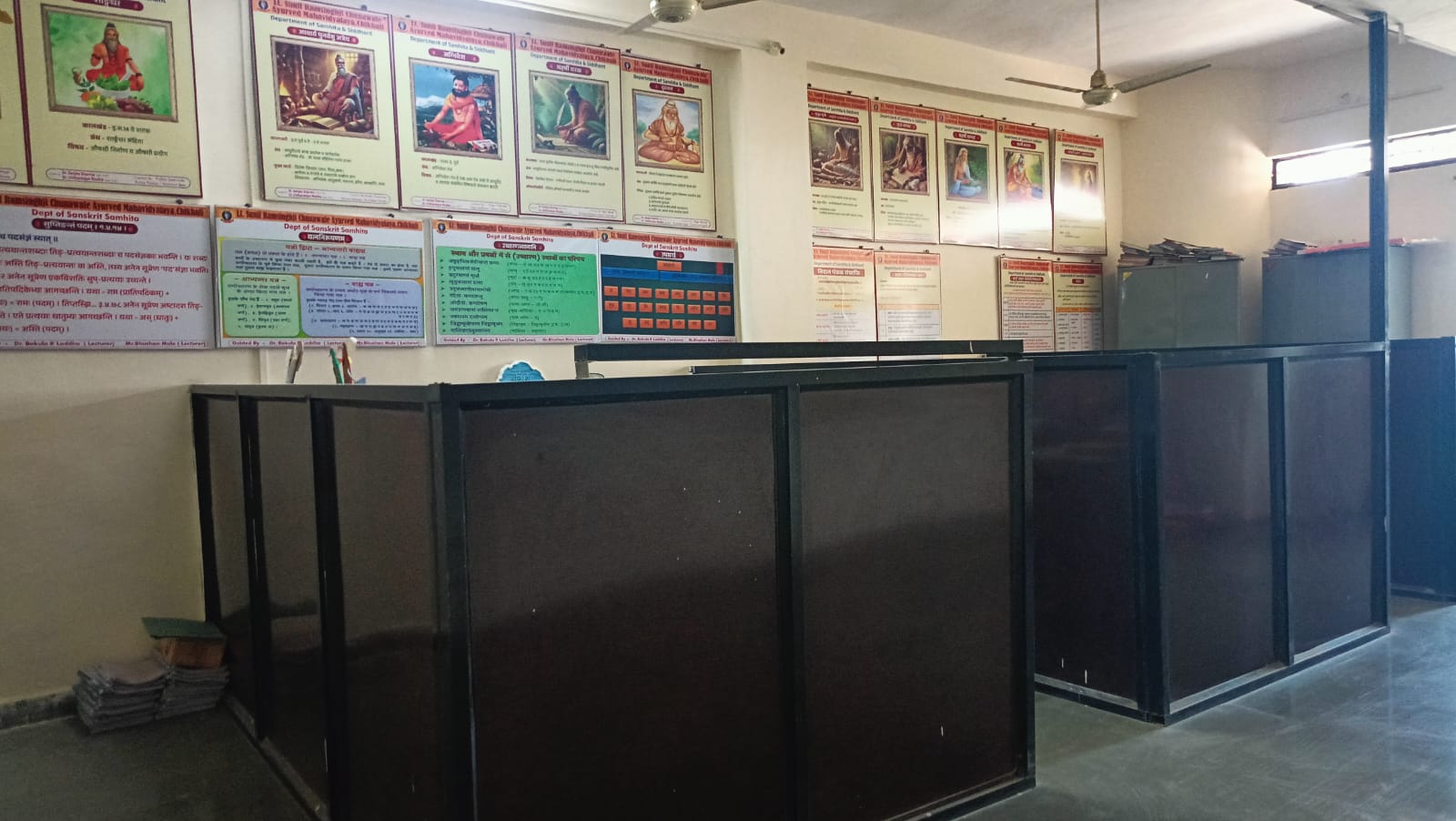
Lt. Suni Ramsinghji Chunawale Ayurved College was founded in the year 2000 with a view to educate the people in the rural area of Maharashtra region. The Department of Sanskrit Samhita Siddhant was established in the same year. Under the supervision of Dr. Sanjay Sharma, the department is fully and actively engaged in learning in order to understand the basic concepts of Ayurveda in today's changing world. The department has seven qualified teaching faculties and two non-teaching faculties. It is fulfilled with teaching assets, charts, a departmental library, models, and specimens.
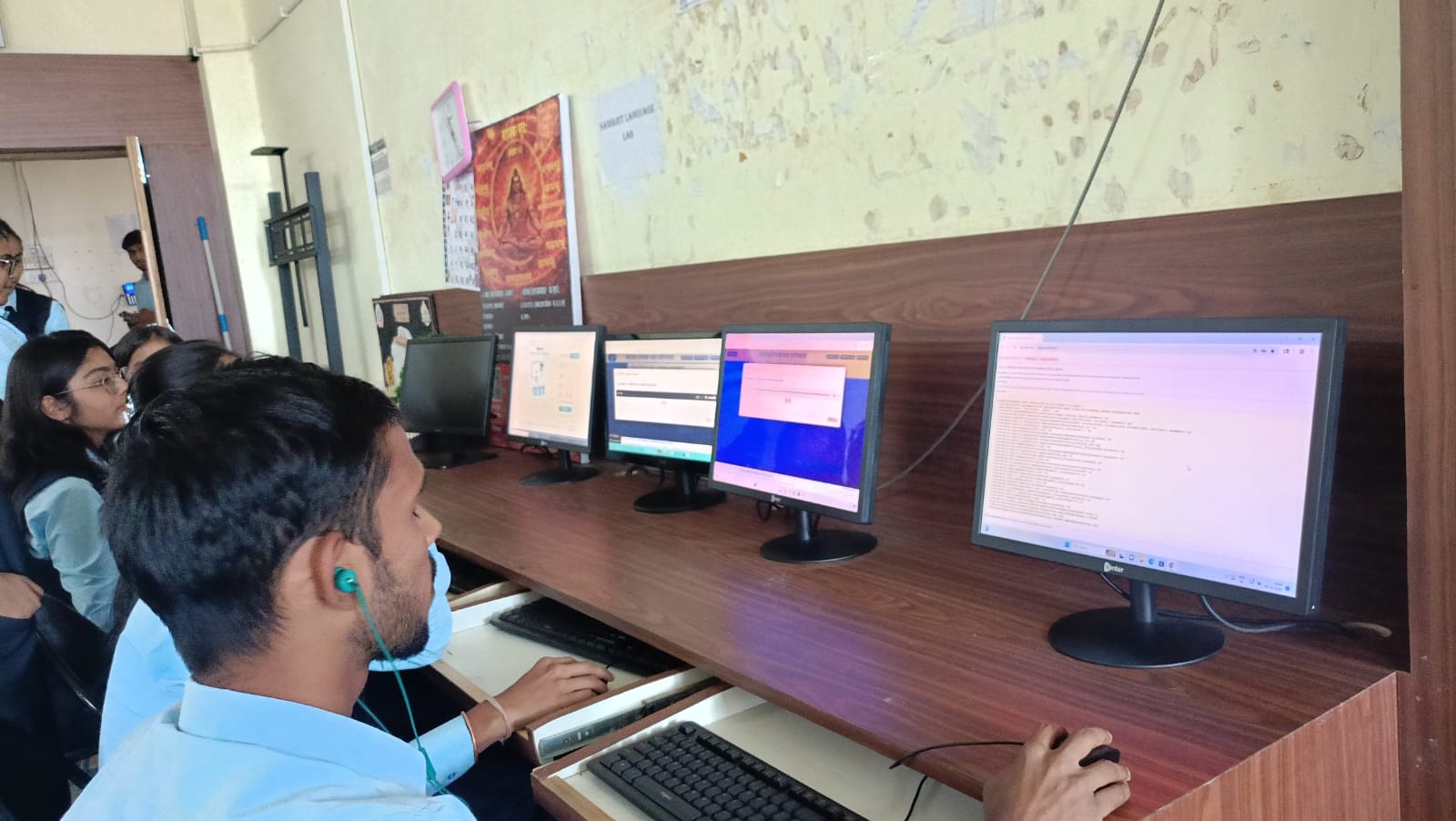
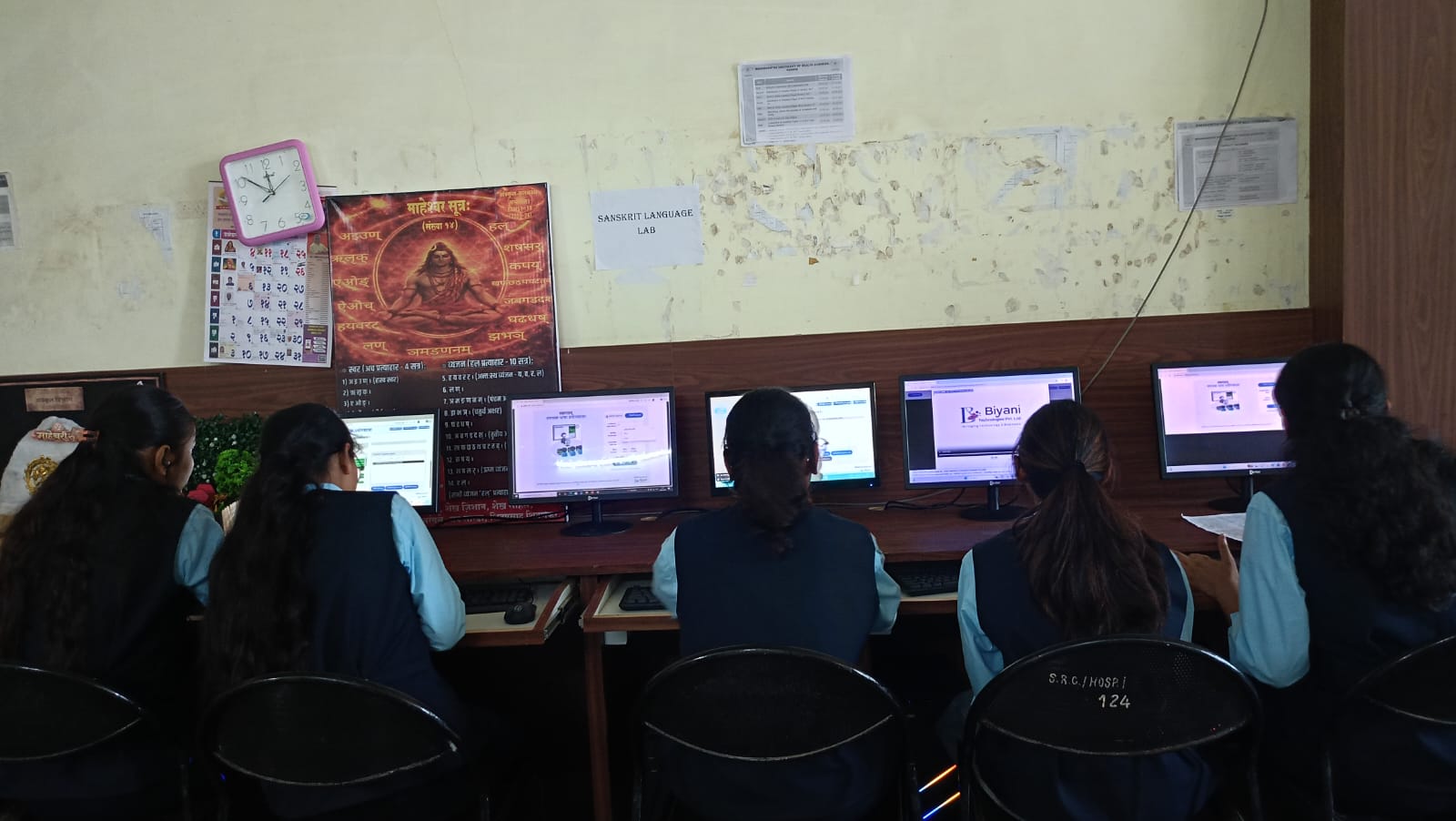
For the progress of students, the department conducts innovative T-L Methods as per NCISM, test tutorial programs, workshops on Sanskrit, and teacher-guardian review sessions. Meetings with students and parents are held in association with career guidance for better practice in future. Expert lectures of Sanskrit are arranged to increase interest in the subject.
Since 2021, a significant change in the academic world occurred in India. NCISM, the apex body of Ayurveda, prescribed a competency-based dynamic curriculum (CBDC) starting from the 2021-22 batch for U.G. The syllabus includes all aspects such as course codes, CO, PO, and all. Overall, five subjects are included under Samhita Siddhanta and Sanskrit department.
Department Vision
To establish excellence in basic concepts explained in the Ayurvedic Samhitas and to conduct outstanding research.
Department Mission
- To organize seminars / workshops / symposiums for scientific exploration and validation of ancient classical texts.
- To establish application of ancient views and basic principles in this modern era.
Future Plan
Strengthening UG & PG programs incorporating innovative teaching methodologies; promoting interdisciplinary learning; conducting studies on manuscript research; Sanskrit language promotion; efforts to increase number of copyrights & IPR publications; promotion of AI video for Sanskrit language; organizing National Level Seminars.
Programme Outcome (PO)
| PO | Description |
|---|---|
| PO1 | Demonstrate comprehensive knowledge and application of the Trisutra concept to explore root causes, identify clinical manifestations of disease to treat ailments and maintain healthy status. |
| PO2 | Demonstrate knowledge and skills in Ayurveda, acquired through integration of multidisciplinary perspectives and keen observation of clinical and practical experiences. |
| PO3 | Demonstrate proficiency in holistic, unique assessment of an individual for rational approach and decision-making in management of disease and maintenance of health. |
| PO4 | Perform procedures and therapeutic manoeuvres with skill and dexterity in a variety of situations. |
| PO5 | Demonstrate knowledge, skills and attitudes to provide holistic quality care and preparedness to practice. |
| PO6 | Demonstrate agility, virtuous and ethical behaviour and compassion to improve the wellbeing of individuals and society. |
| PO7 | Demonstrate self-directedness in pursuit of knowledge and skills, which is required for advancing health care and wellbeing of society. |
| PO8 | Demonstrate the ability to effectively communicate with patients, families, community and peers. |
| PO9 | Demonstrate an understanding of qualities and required skills as a practitioner, researcher and academician and an aspirations to become one. |
Course Outcome (CO) — Samhita Adhyayan-1
| CO No. | Course Learning Outcomes (AyUG-SA1) |
|---|---|
| CO1 | Distinguish the different Samhitas, their importance and methodology and familiarize with the tools of Samhita Adhyayan (e.g. Tantrayukti). |
| CO2 | Interpret and apply the sutras from the Samhitas. |
| CO3 | Apply and evaluate the Tridosha, Saptadhatu and Mala principles (theory). |
| CO4 | Practice and prescribe Dincharya (daily regimen), Ritucharya (seasonal regimen) and dietary principles for preservation of health. |
| CO5 | Explore and distinguish different types of food, food groups and medicinal dravyas mentioned in Samhitas. |
| CO6 | Identify various etiopathological factors and predict different treatment principles. |
| CO7 | Recognize and explain the fundamentals behind various therapeutics (Shodhan and allied) and parasurgical therapies. |
| CO8 | Develop a code of behavior and show mature behaviour in particular to the scientific deliberations. |
Course Outcome (CO) — Sanskrit
| CO No. | Course Learning Outcomes (AyUG-SN & AI) |
|---|---|
| CO1 | Read and recite Prose and poem with the appropriate accent. |
| CO2 | Apply various Technical Terms in Ayurveda, Nouns & Pronouns, Verbs, suffixes, Grammatical Terms, Syntax and Compounds from Sanskrit Grammar for enhanced interpretation of Ayurveda texts. |
| CO3 | Discriminate and interpret the Cases & meanings used in various verses of Ayurveda texts. |
| CO4 | Formulate the Prose order of Slokas/Sutras in Ayurveda Textbooks to derive the meaning, determine the Scientific Meaning, and Translate (Regional or other language). |
| CO5 | Interpret the Synonyms and Derivations of Ayurveda Terms using Samskrita dictionaries. |
| CO6 | Speak, Write, Summarize and Express in Samskrit. |
| CO7 | Develop the ethical responsibility towards the profession, society and human being. |
| CO8 | Analyse and explain the important milestones in the history of Ayurveda. |
| CO9 | Appreciate the status of Ayurveda in different time periods and contributions made by different Acharyas to Ayurveda. |
Course Outcome (CO) — Padarth Vidhnyan
| CO No. | Course Learning Outcomes (AyUG-PV) |
|---|---|
| CO1 | Illustrate the scope and utility of Ayurveda. |
| CO2 | Explain Philosophical foundation of Ayurveda, Principles (Siddhantha) of Darshana along with their similarities and relevance in Ayurveda and contemporary sciences. |
| CO3 | Analyse and interpret Padartha (Prameya) in Darshana and Ayurveda. Recognize their applications in Ayurveda. |
| CO4 | Distinguish, analyse and apply concept of Pramana shastra (Epistemology) in Darshana and Ayurveda. Demonstrate their applications in Ayurveda. |
| CO5 | Analyse and apply concept of Karya Karana Bhava in Ayurveda. |
Course Outcome (CO) — Samhita Adhyayan-2
| CO No. | Course Learning Outcomes (AyUG-SA2) |
|---|---|
| CO1 | Justify the Methodology of structuring samhitas and appraise the importance of tools of decoding Charakasamhita (Tantrayukti and Vyakhyana). |
| CO2 | Relate and interpret various references of concepts in Charakasamhita. |
| CO3 | Explain and interpret biological factors and their measurements in the manifestation of diseases. |
| CO4 | Explain and utilize various siddhantas in different dimensions of clinical practice. |
| CO5 | Demonstrate the knowledge of dravya and adravya based therapeutics. |
| CO6 | Apply diagnostic guidelines regarding diseases including arishta lakshana based on the principles mentioned in Charakasamhita. |
| CO7 | Explore the determinants of health in the background of Charakasamhita. |
| CO8 | Develop ethical professional and moral codes and conducts as a physician. |
Course Outcome (CO) — Samhita Adhyayan-3
| CO No. | Course Learning Outcomes (AyUG-SA3) |
|---|---|
| CO1 | Justify the methodology of structuring Samhitas and assess the importance of decoding Samhitas using Tantrayukti and Vyakhya. |
| CO2 | Apply Samhita Sutras for clinical decision-making in patient care. |
| CO3 | Interpret stage-wise treatment plans based on the principles outlined in Samhitas. |
| CO4 | Appraise Rasayana and Vajikarana, its significance in health promotion and management of diseases. |
| CO5 | Evaluate therapeutic procedures and identify potential complications along with their management. |
| CO6 | Analyze the principles for appropriate selection of formulations and their application in Chikitsa. |
| CO7 | Recognize the importance of Samhita-based practices in achieving positive therapeutic outcomes, supported by research evidence and clinical studies that validate traditional methodologies and their efficacy in contemporary healthcare. |
| CO8 | Develop and implement ethical principles, moral values, and effective communication skills as healthcare professionals. |
HOD Message
"It gives me immense pleasure to welcome you to the department of Samhita Siddhant and Sanskrit. Our department forms the foundation of Ayurvedic education as it deals with the timeless principles enshrined in the classical texts and the rich heritage of Sanskrit. We are committed to impart deep knowledge of Ayurvedic philosophy, Samhita studies and the linguistic precision of Sanskrit enabling students to understand the science in its original form. The department emphasizes not only academic excellence but also the application of Ayurvedic principles in clinical practice and research. Our vision is to nurture scholars who carry forward the legacy of Ayurveda with clarity of thoughts, ethical values and a scientific outlook. Together let us preserve and propagate the treasure of Ayurveda for the betterment of humanity."
Dr. Sanjay. W. Sharma — HOD
Core Faculty
| Sr. No. | Name | Qualification | Designation |
|---|---|---|---|
| 01 | Dr. Sanjay. W. Sharma | BAMS, MD, Ph.D (sch) | HOD & Asso. Professor |
| 02 | Dr. Chittaranjan M. Rindhe | BAMS, MD | Assistant Professor |
| 03 | Dr. Ganesh R. Harne | BAMS, MD | Assistant Professor |
| 04 | Dr. Bakula P. Laddha | BHMS, MA Sanskrit | Assistant Professor |
Department Gallery
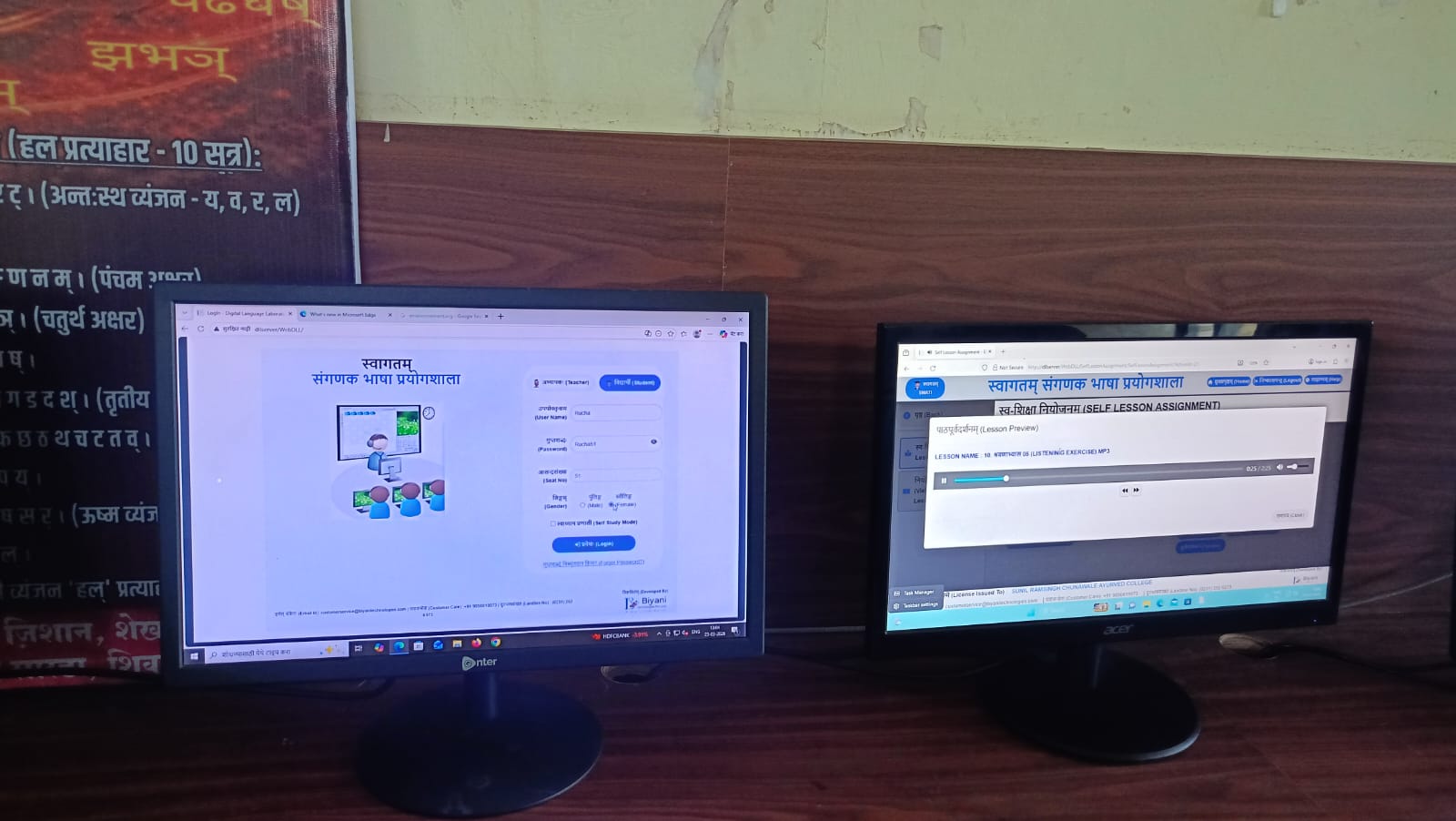
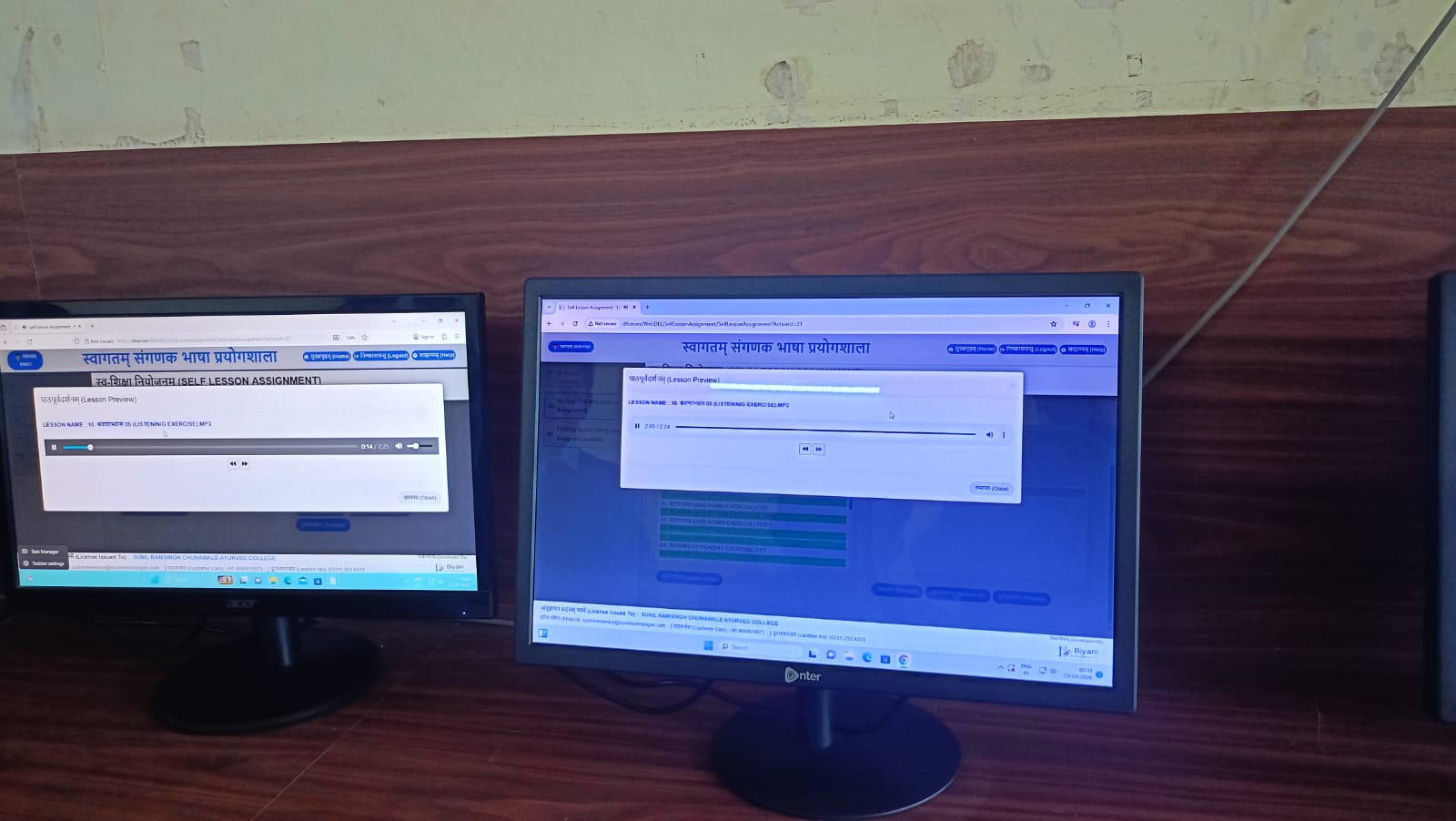
Department of Rachana Sharir
Introduction
Rachana Sharir is one of the fundamental subjects of Ayurveda and forms the foundation of medical education in the BAMS curriculum. The department deals with the study of the structure of the human body as described in classical Ayurvedic texts along with modern anatomical science. The subject includes detailed knowledge of bones, muscles, joints, organs, blood vessels, nerves, embryology, histology, marma sharir, and cadaveric dissection.
The Department of Rachana Sharir aims to provide students with strong theoretical and practical knowledge of human anatomy through Ayurvedic principles and modern scientific approaches. The department plays a vital role in developing competent Ayurvedic practitioners, researchers, and academicians.
Department Vision
To provide excellence in anatomical education through Ayurvedic and modern scientific principles while developing skilled, ethical, and research-oriented Ayurvedic professionals.
Department Mission
- To impart comprehensive knowledge of human anatomy based on Ayurveda and modern science.
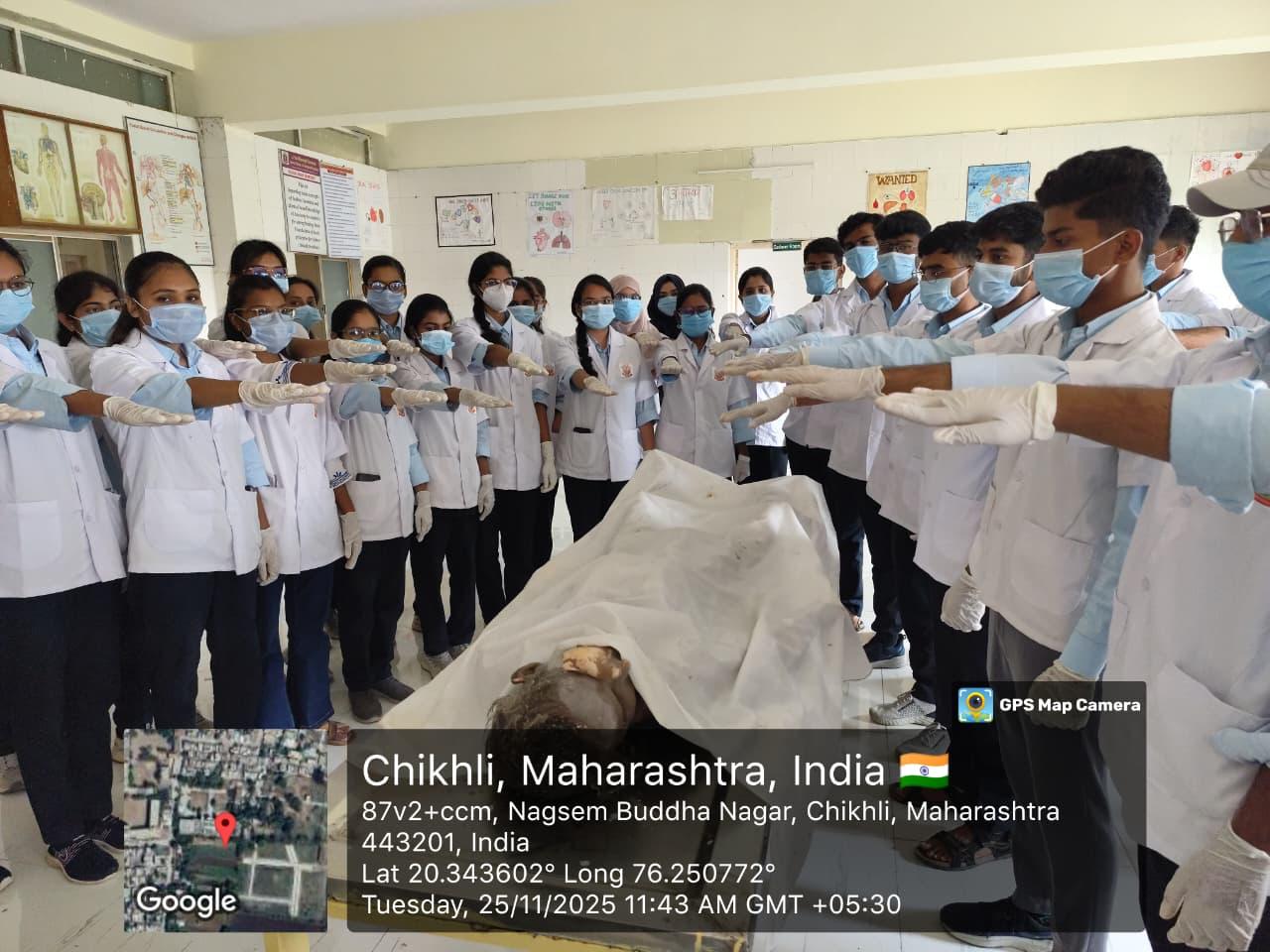
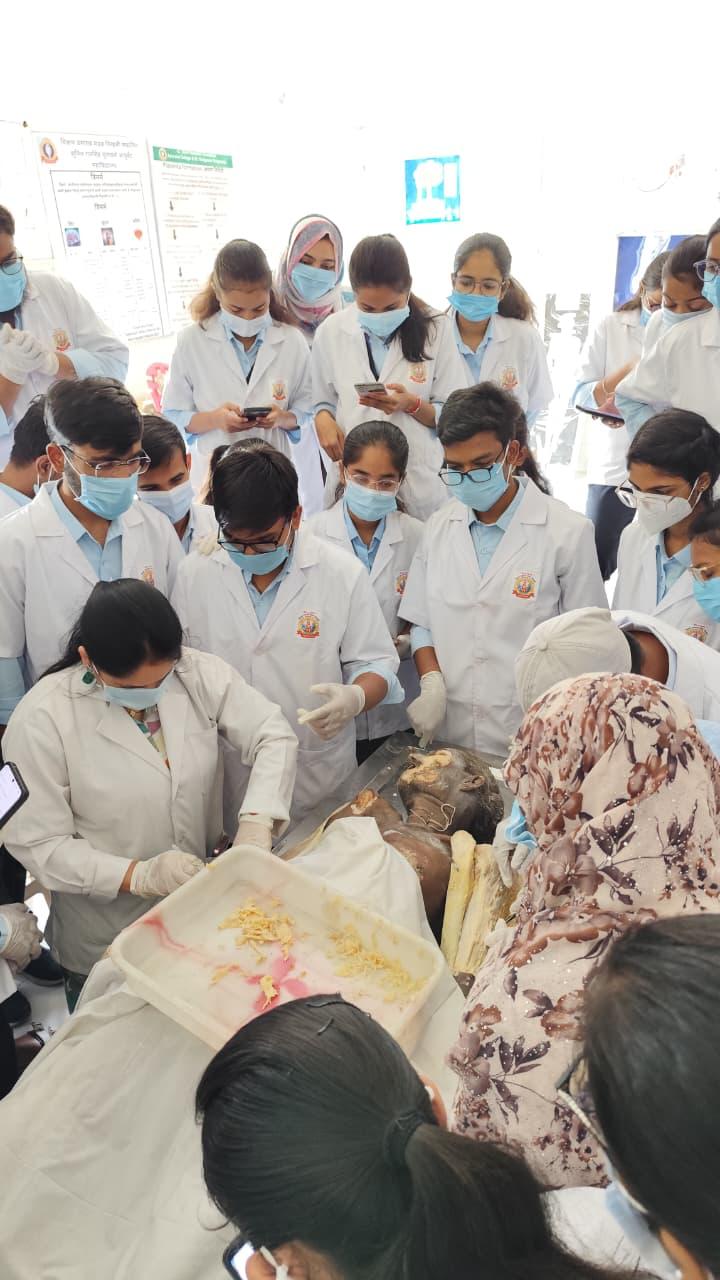
- To provide practical exposure through cadaveric dissection and anatomical demonstrations.
- To encourage research activities in the field of Rachana Sharir.
- To develop clinically oriented understanding of anatomical structures and their applications.
Objectives
- To teach detailed anatomy of the human body through theory and practical sessions.
- To develop dissection skills and observational abilities among students.
- To create awareness regarding marma sharir and applied anatomy.
- To strengthen the foundation of basic medical sciences for future clinical practice.
Departmental Facilities
- Well-equipped Dissection Hall
- Anatomy Museum with specimens and models
- Osteology Section with bone sets
- Charts and anatomical models
- Departmental Library and Audio-Visual Teaching Aids
- Cadaver Preservation Facility
Academic & Research Activities
The department actively coordinates cadaveric dissection, histology practical sessions, seminars, group discussions, and preparation of educational charts, models, and plastination. It also performs clinical anatomy demonstrations and hosts guest lectures and workshops.
Teaching Methodology
The department follows a combination of traditional Ayurvedic teaching and modern anatomy education through classroom lectures, practical demonstrations, cadaver dissection, museum teaching, interactive learning sessions, and audio-visual presentations. Rachana Sharir serves as the backbone of all medical sciences, helping students in diagnosis, treatment planning, surgical procedures, and clinical practice.
Core Faculty
| Sr. No. | Name | Qualification | Designation |
|---|---|---|---|
| 01 | Dr. Dharmchand R. Gupta | BAMS, MD | HOD & Professor |
| 02 | Dr. Madhu Rani | BAMS, MD | Assistant Professor |
Department Gallery
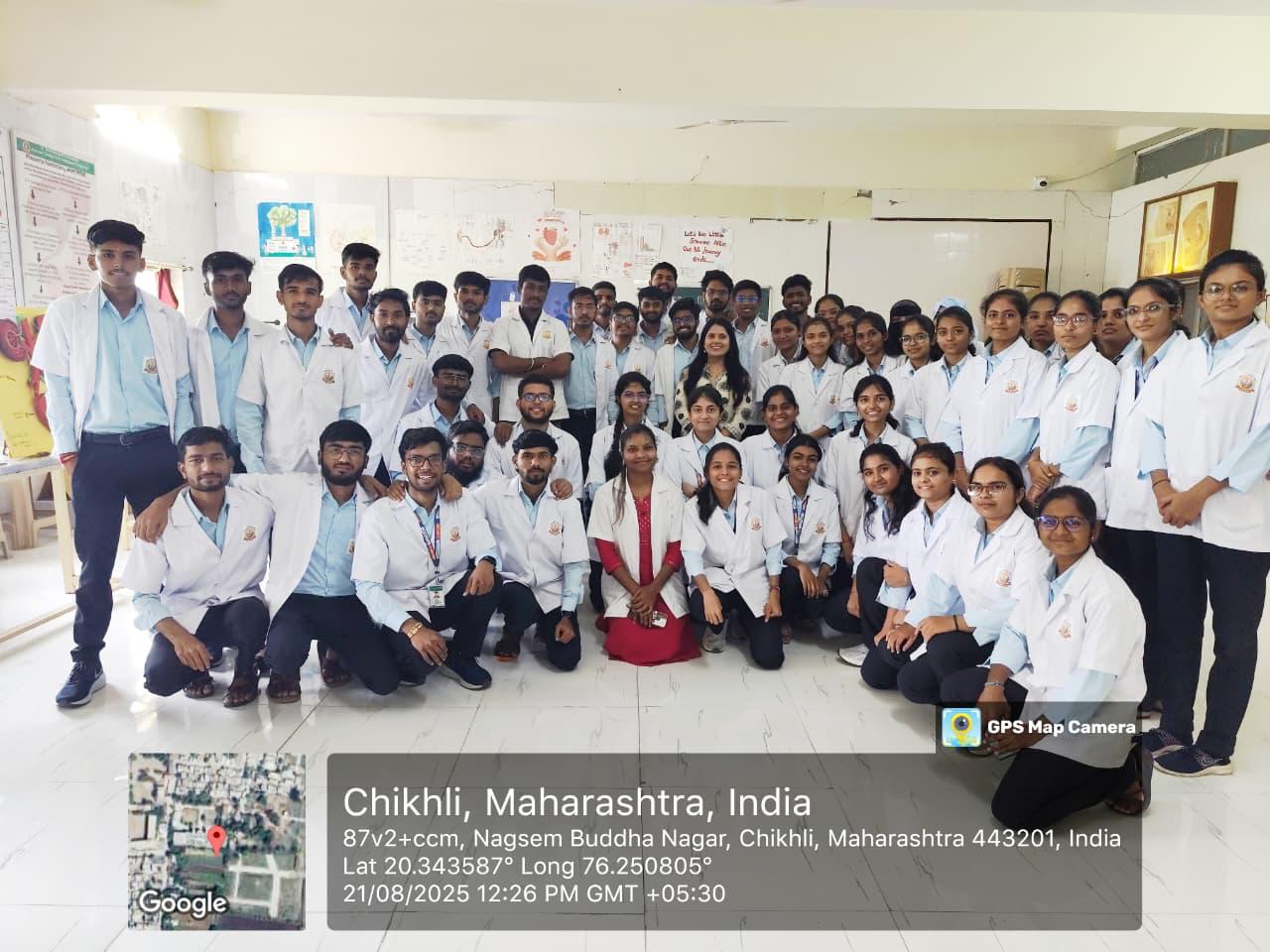
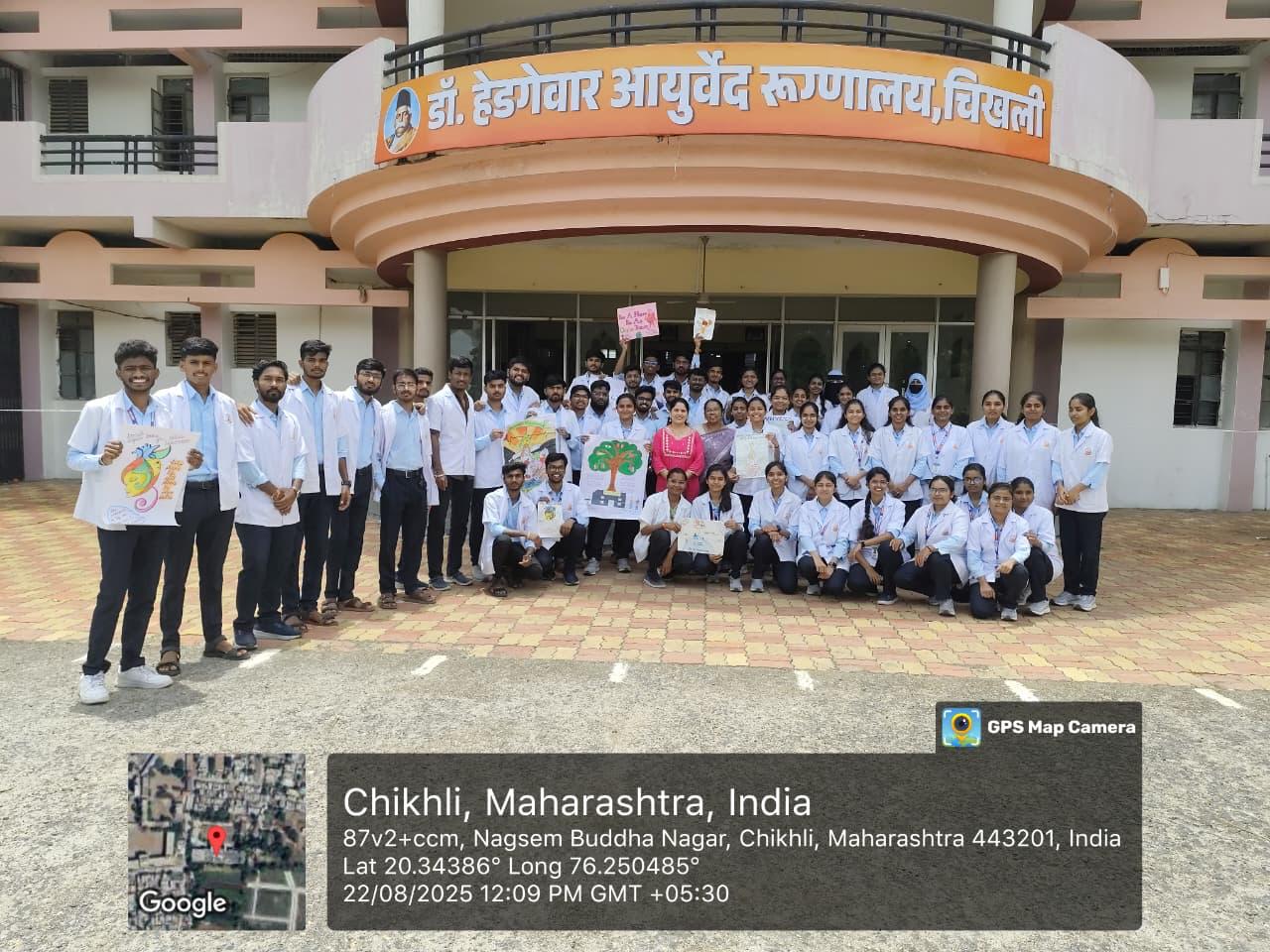
Department of Kriya Sharir
Introduction
Established in 2000, the Department of Kriya Sharir has grown to become a cornerstone of Ayurvedic education. Our department is fully equipped with modern instruments, a robust infrastructure, and a well-curated museum featuring the latest charts, models, and specimens to enhance the learning experience.
The department is led by a team of highly qualified faculty members, all of whom are approved by Maharashtra University of Health Sciences (MUHS), Nashik. Our faculty is committed to academic excellence — regularly conducting internal assessments, setting question papers, and serving as invigilators for university examinations. They also provide career guidance and specialized mentorship for both high-achievers and students needing extra assistance.
Department Vision
To provide undergraduate students with a comprehensive understanding of Kriya Sharir, the cornerstone of Ayurvedic physiology. We aim to equip them with a new, scientific approach to the fundamental principles of Ayurveda — including Dosha, Dhatu, Agni, Prakriti, Sara, Atma, and Mana — so they can define normal physiological functions, understand mechanisms of disease, and apply this foundational knowledge to clinical practice with confidence. Our ultimate vision is to cultivate skilled and compassionate Ayurvedic practitioners who are well-prepared to treat diseases effectively and holistically.
Department Mission
Our mission is to equip every first-year BAMS student with a robust, applied understanding of Kriya Sharir. Upon completion of the course, students will be able to:
- Apply fundamental Ayurvedic principles like Dosha, Dhatu, Agni, and Mala to diagnose diseases and plan treatment.
- Master the theoretical and clinical knowledge of Kriya Sharir for effective therapeutic application.
- Design personalized healthy lifestyles for patients by conducting thorough Prakriti assessments.
- Cultivate Dhatusarata (tissue vitality) and immunity in individuals.
- Perform practical laboratory skills, including the proper handling of instruments and the demonstration of hematological and urine examinations.
- Serve as a guide for holistic health, empowering patients to maintain physical and mental well-being.
Future Plan
Our aim is to establish the Department of Kriya Sharir as a leader in Ayurvedic education and research. Key focus areas include:
- Academic Excellence: Integrate modern scientific methods with traditional Ayurvedic principles; upgrade museum and laboratories with modern equipment.
- Research & Innovation: Set up a dedicated research unit to scientifically validate core Ayurvedic concepts like Dosha and Dhatu.
- Student Development: Organize an annual national seminar to encourage knowledge sharing and collaboration among experts.
Programme Outcome (PO)
| PO | Description |
|---|---|
| PO1 | Demonstrate comprehensive knowledge and application of the Trisutra concept to explore root causes, identify clinical manifestations of disease to treat ailments and maintain healthy status. |
| PO2 | Demonstrate knowledge and skills in Ayurveda, acquired through integration of multidisciplinary perspectives and keen observation of clinical and practical experiences. |
| PO3 | Demonstrate proficiency in holistic, unique assessment of an individual for rational approach and decision-making in management of disease and maintenance of health. |
| PO4 | Perform procedures and therapeutic manoeuvres with skill and dexterity in a variety of situations. |
| PO5 | Demonstrate knowledge, skills and attitudes to provide holistic quality care and preparedness to practice. |
| PO6 | Demonstrate agility, virtuous and ethical behaviour and compassion to improve the wellbeing of individuals and society. |
| PO7 | Demonstrate self-directedness in pursuit of knowledge and skills, which is required for advancing health care and wellbeing of society. |
| PO8 | Demonstrate the ability to effectively communicate with patients, families, community and peers. |
| PO9 | Demonstrate an understanding of qualities and required skills as a practitioner, researcher and academician and an aspirations to become one. |
Course Outcome (CO)
| CO No. | Course Learning Outcomes (AyUG-SW) | Matched PO |
|---|---|---|
| CO1 | Explain all basic principles & concepts of Kriya Sharir along with essentials of contemporary human physiology and biochemistry related to all organ systems. | PO1, PO2 |
| CO2 | Demonstrate and communicate normal and abnormal variables pertaining to Kriya Sharir such as Sara, Agni, Koshtha, Srotas etc. | PO2, PO3 |
| CO3 | Differentiate between Prakriti and Vikriti in the individuals after carrying out relevant clinical examinations. | PO1, PO2, PO3, PO5 |
| CO4 | Carry out clinical examination and experiments using equipment's with interpretation of their results. | PO4 |
| CO5 | Differentiate the strengths & limitations of Ayurved and contemporary sciences. | PO2 |
| CO6 | Present a short project work / research activity covering the role of Kriya Sharir in preventive and promotive healthcare. | PO5, PO6, PO7, PO8, PO9 |
| CO7 | Show a sense of curiosity and questioning attitude towards the life processes and display compassion and ethical behaviour. | PO2, PO5, PO6, PO7, PO9 |
| CO8 | Effectively communicate verbally and in writing preferably using Ayurvedic terminology along with contemporary terminology among peers, teachers and community. | PO8, PO9 |
HOD Message
"Welcome to the Department of Kriya Sharir. Our department is dedicated to providing students with a comprehensive understanding of Ayurvedic physiology, which is the cornerstone of effective clinical practice. The study of Kriya Sharir empowers aspiring practitioners to understand the body's normal functions and to identify the subtle deviations that lead to disease. Our experienced faculty, with support from modern facilities and a well-equipped museum, is committed to mentoring students both academically and clinically. We focus on bridging ancient Ayurvedic wisdom with a contemporary scientific approach, preparing our students to serve the community with confidence and compassion."
Dr. Manisha Jaybhaye — H.O.D
Core Faculty
| Sr. No. | Name | Qualification | Designation |
|---|---|---|---|
| 01 | Vd. Manisha Jaybhaye | BAMS, MD | HOD & Professor |
| 02 | Vd. Rajeshkumar Gore | BAMS, MD | Assistant Professor |
Department Gallery
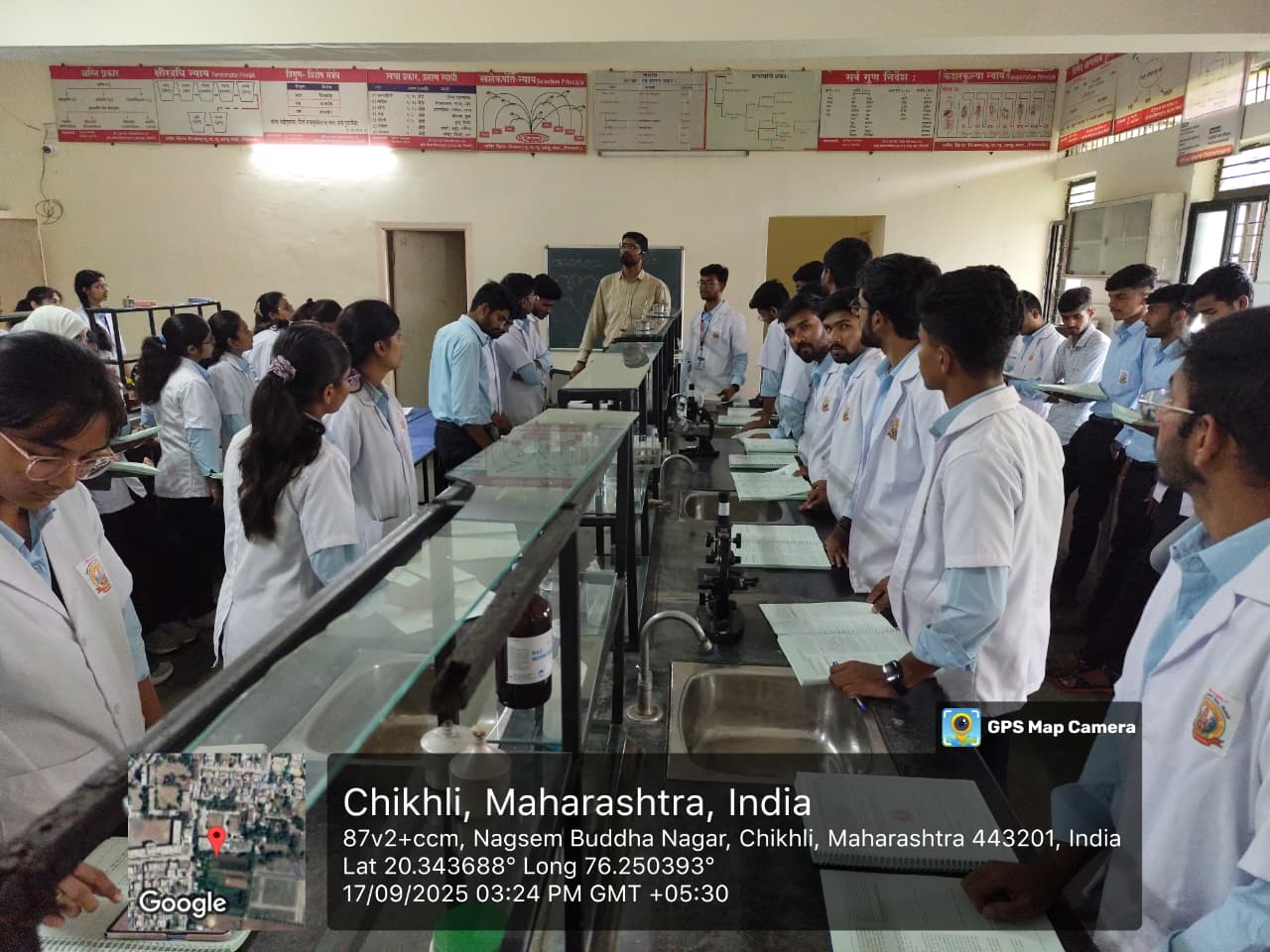
Department of Dravyaguna Vigyana
Introduction
In Ayurveda their is concept of‘Chikitsa Chatuspad’ which consist of 4 components for treatment of an individual,among which 1st is Vaidya (Doctor), 2nd is Dravya (Medicine) 3rd Upasthta (Nurse) and 4th is Rogi (Patient). Dravya stands 2nd most important in this chatushpada.It acts as tool to treat disease. Without knowledge of Dravya and its Guna-Karma it is difficult to treat. Therefore Dravyaguna was developed as a separate branch of Ayurveda which is now added as subject in current curriculum. Dravyaguna is also referred as “Indian material medica” .Dravyaguna consist of seven basic aspects i.e. Dravya(Drug), Rasa(Taste), Guna(Properties), Virya(Potency), Vipak(Biotransformation),Karma(action) & Prabhav (Specific action) Dravya Guna Vigyan is a science which deal with pharmacognocy, pharmacology, pharmacy and therapeutic of Herbal medicine. It is an important branch of Ayurved; as plant drug is the main tool of Ayurvedic treatment. Along with theoretical lectures,practical knowledge is given to students through live demonstration of medicinal plants in the herbal garden. It maintains a museum of raw samples of Dry drugs 272 species and 25 wet species. And also 53 library book….
Department Infrastructure & Herbal Garden
- Herbal Garden: Maintained near the college premises spanning 2500 sq. ft. It accommodates 186 species and a total of 885 medicinal plants, including several rare and endangered species.
- Museum & Specimen Room: Contains a vast collection of raw dry drug samples representing 272 species and 25 wet species.
- Department Assets: The department maintains 115 educational charts, 21 specimens, and a departmental library containing 53 books.
Speciality
Department of Rasashastra & Bhaishajya Kalpana
Introduction
Welcome to the Department of Rasashastra and Bhaishajya Kalpana, the backbone of Ayurvedic pharmaceutics. This department bridges the ancient wisdom of alchemy with modern pharmacological standards, focusing on the identification, processing, and formulation of traditional medicines. In the journey of an Ayurvedic scholar, this subject represents the transition from theoretical knowledge to practical healing.
Core Pillars of the Department
Rasashastra (Iatrochemistry): Deals with the pharmaceutical processing of metals, minerals, and gems. Through sophisticated processes like Shodhana (purification) and Marana (incineration), raw elements are converted into highly potent, biocompatible Bhasmas and Rasayogas.
Bhaishajya Kalpana (Pharmacognosy & Pharmaceutics): Focuses on the processing of herbal raw materials. It covers the Pancha-vidha Kashaya Kalpana (five basic formulations): Swarasa (fresh juice), Kalka (herbal paste), Kwatha (decoction), Hima (cold infusion), and Phant (hot infusion).
Academic Objectives
- Standardization: Learning to maintain consistency and quality in Ayurvedic formulations using modern analytical tools.
- Safety Protocols: Understanding the rigorous purification processes required to eliminate toxicity from mineral-based drugs.
- Dosage Forms: Mastering various preparations including Vati (tablets), Taila (medicated oils), Asava-Arishta (fermented liquids), and Lepa (topical pastes).
- Modern Integration: Evaluating Ayurvedic drugs on parameters like pH value, ash value, and thin-layer chromatography (TLC).
Facilities & Practical Learning
| Feature | Description |
|---|---|
| Raw Drug Museum | A vast collection of mineral, animal, and herbal specimens for identification. |
| Practical Lab | Space for students to prepare traditional formulations under expert supervision. |
| Analytical Suite | Equipment for testing the physicochemical properties of prepared medicines. |
Career Prospects
Graduates specializing in Rasashastra and Bhaishajya Kalpana are uniquely positioned for roles in:
- Ayurvedic Pharmaceutical Industry (Production and R&D)
- Drug Inspection and Government Regulatory bodies
- Academia and Research
- Entrepreneurship in wellness and herbal product manufacturing
Department Vision
Empowering Global Health through Pharmaceutical Excellence in Ayurveda. The department envisions becoming a global center of excellence for Ayurvedic pharmacy, bridging the gap between ancient alchemical wisdom and contemporary scientific validation. Strategic pillars include scientific validation of traditional processes, innovation in drug delivery systems, quality assurance by design, ethical entrepreneurship, and global integration of herbo-mineral formulations through rigorous safety profiling.
Core Values: Purity (Shuddhata) — adhering strictly to classical purification standards. Precision (Yatharthata) — ensuring exactitude in pharmaceutical measurements and heating cycles. Compassion (Karuna) — developing medicines with the ultimate goal of alleviating human suffering and promoting longevity.
Department Mission
- Hands-on Technical Training: Intensive practical exposure in the department's teaching pharmacy for independent preparation of classical formulations.
- Quality & Safety Assurance: Prioritizing Shodhana (purification) processes to eliminate toxicity and ensure highest safety standards for herbo-mineral preparations.
- Scientific Validation: Encouraging use of modern analytical instruments — HPTLC, Flame Photometry, and Disintegration tests — to standardize Ayurvedic drugs.
- Research & Development: Fostering inquiry into new drug delivery systems and validating the pharmacological actions of ancient recipes.
- Ethical Manufacturing: Instilling professional integrity and adherence to Good Manufacturing Practices (GMP) for authentic production of Ayurvedic medicines.
The Mission in Practice: Student Competencies
| Mission Pillar | Practical Outcome |
|---|---|
| Authenticity | Accuracy in identifying genuine Rasa Dravyas (minerals) and Vanaspati (herbs). |
| Precision | Mastery over Puta (heating cycles) and temperature control for Bhasma production. |
| Modernization | Capability to adapt traditional liquids or powders into modern tablets, capsules, or syrups. |
| Regulation | Understanding the legal and medico-legal frameworks of the Ayurvedic pharmaceutical industry. |
Programme Outcome (PO)
| PO | Description |
|---|---|
| PO1 | Demonstrate comprehensive knowledge and application of the Trisutra concept to explore root causes, identify clinical manifestations of disease to treat ailments and maintain healthy status. |
| PO2 | Demonstrate knowledge and skills in Ayurveda, acquired through integration of multidisciplinary perspectives and keen observation of clinical and practical experiences. |
| PO3 | Demonstrate proficiency in holistic, unique assessment of an individual for rational approach and decision-making in management of disease and maintenance of health. |
| PO4 | Perform procedures and therapeutic manoeuvres with skill and dexterity in a variety of situations. |
| PO5 | Demonstrate knowledge, skills and attitudes to provide holistic quality care and preparedness to practice. |
| PO6 | Demonstrate agility, virtuous and ethical behaviour and compassion to improve the wellbeing of individuals and society. |
| PO7 | Demonstrate self-directedness in pursuit of knowledge and skills, which is required for advancing health care and wellbeing of society. |
| PO8 | Demonstrate the ability to effectively communicate with patients, families, community and peers. |
| PO9 | Demonstrate an understanding of qualities and required skills as a practitioner, researcher and academician and an aspirations to become one. |
Course Outcome (CO)
| CO No. | Course Learning Outcomes |
|---|---|
| CO1 | Demonstrate application of principles of Ayurvediya Aushadhi Nirmana (Ayurvedic Pharmaceutics). |
| CO2 | Demonstrate application of principles of Ayurvediya Aushadhi Prayoga Vigyana (Clinical Pharmacology). |
| CO3 | Prepare Ayurvedic formulations in adherence to quality control parameters for raw materials, in-process and finished products. |
| CO4 | Justify rationality of selection and administration of Ayurvedic formulations. |
| CO5 | Demonstrate application of ethical, legal and regulatory aspects of manufacturing and sale of Ayurvedic formulations. |
| CO6 | Appraise research in current and emerging trends in Ayurvedic pharmaceuticals and allied sciences. |
Future Plan
The academic roadmap transforms students into specialized researchers bridging traditional alchemy and modern bio-medicine through: higher specialization (MD / PhD in Rasashastra & Bhaishajya Kalpana); interdisciplinary research in nanotechnology, pharmacology & toxicology, and analytical chemistry (SEM-EDX, XRD); and specialized certification courses in Pharmacovigilance, IPR, and Clinical Research (GCP).
Academic Career Pathways
| Academic Level | Future Role | Focus Area |
|---|---|---|
| Graduation (BAMS) | Teaching Assistant / Medical Officer | Foundational teaching and clinical application. |
| Post-Graduation (MD) | Lecturer / Assistant Professor | Specialized formulation research and academic lecturing. |
| Doctorate (PhD) | Research Scientist / Principal | Institutional leadership and high-level scientific publications. |
Awards & Achievements
CCRAS SPARK Award Selection: Faculty-guided research protocols are regularly submitted for national selections. The department actively encourages research fellowships and has won awards at national levels.
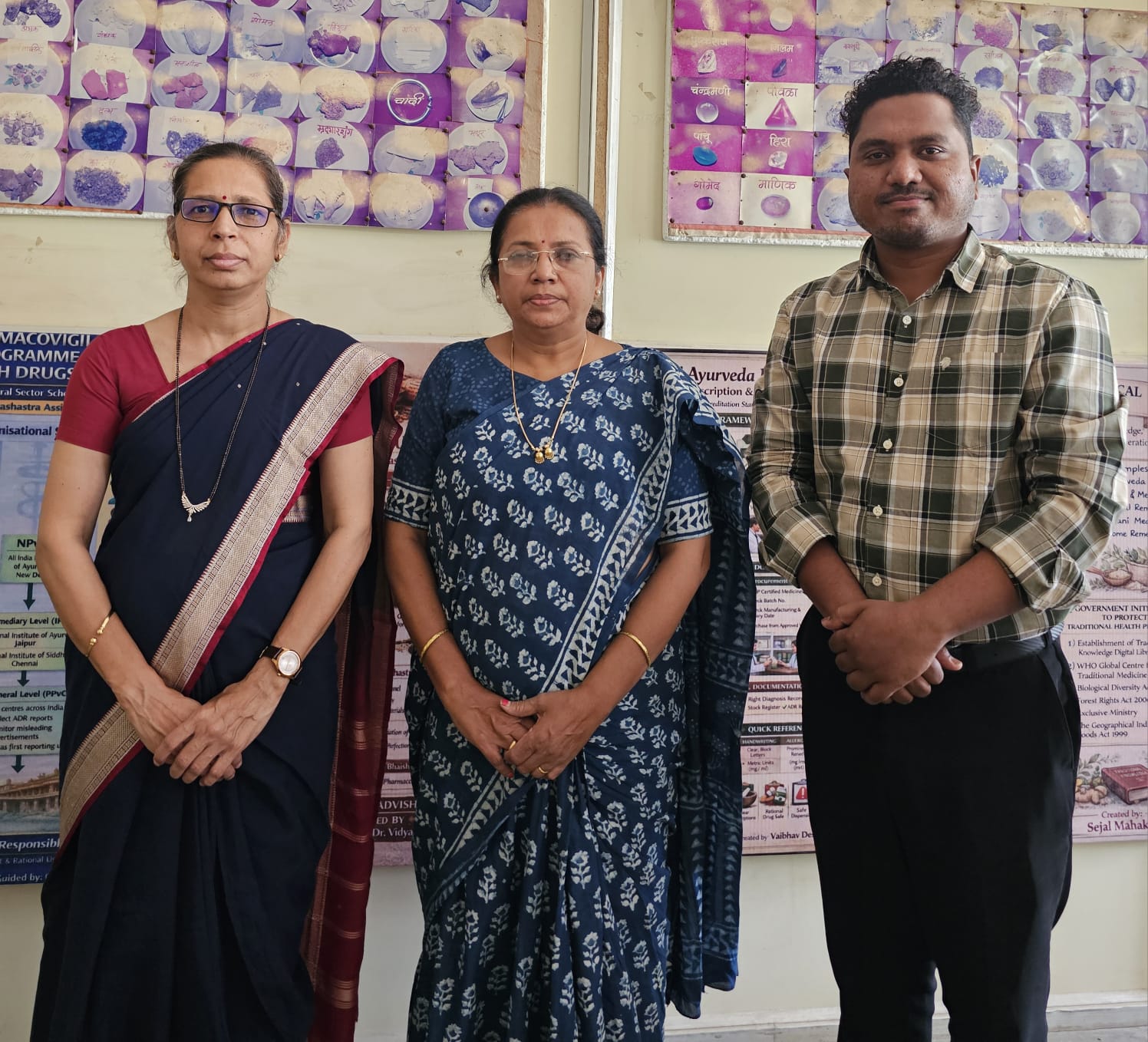
Department Gallery
Department of Roga Nidan & Vikriti Vigyan
Introduction
The Department of Rognidan evum Vikrutivigyan was established in 1992 and has since evolved into a full-fledged center for teaching, research, and patient care.
The department functions as a custodian of classical Ayurvedic knowledge while continuously refining and updating it to meet modern healthcare needs. By integrating basic sciences and modern investigative procedures, it addresses global healthcare challenges. The academic focus includes:
- Training students in the principles of Rognidan (General Pathology) and Vikrutivigyan (Systemic Pathology)
- Imparting diagnostic skills from both Ayurvedic and modern perspectives
- Preparing competent Ayurvedic professionals for practice, teaching, and research
Facilities & Infrastructure
The department is equipped with modern diagnostic systems including:
- A spacious, computerized pathology laboratory for hematology and biochemistry.
- A well-developed museum showcasing pathological charts, models, and specimens.
- Advanced diagnostic instruments and infrastructure supporting clinical pathology.
Department Vision
To envision becoming a centre of excellence in Ayurvedic education, research, and clinical diagnosis, setting benchmarks of quality at both national and international levels. Its ultimate aim is to propagate Ayurveda globally by producing skilled, competent, and ethical professionals who combine the wisdom of Ayurveda with modern scientific approaches.
Department Mission
- Continuously enhance educational programs and systems to achieve international standards of excellence.
- Provide accurate, timely, and high-quality diagnostic services to ensure optimal patient management and care.
- Impart excellence in education and training for UG students, fostering intellectual growth, ethical values, and the ability to think critically and skillfully.
- Pursue continuous advancement of knowledge through basic and applied research.
Programme Outcome (PO)
| PO | Description |
|---|---|
| PO1 | Demonstrate comprehensive knowledge and application of the Trisutra concept to explore root causes, identify clinical manifestations of disease to treat ailments and maintain healthy status. |
| PO2 | Demonstrate knowledge and skills in Ayurveda, acquired through integration of multidisciplinary perspectives and keen observation of clinical and practical experiences. |
| PO3 | Demonstrate proficiency in holistic, unique assessment of an individual for rational approach and decision-making in management of disease and maintenance of health. |
| PO4 | Perform procedures and therapeutic manoeuvres with skill and dexterity in a variety of situations. |
| PO5 | Demonstrate knowledge, skills and attitudes to provide holistic quality care and preparedness to practice. |
| PO6 | Demonstrate agility, virtuous and ethical behaviour and compassion to improve the wellbeing of individuals and society. |
| PO7 | Demonstrate self-directedness in pursuit of knowledge and skills, which is required for advancing health care and wellbeing of society. |
| PO8 | Demonstrate the ability to effectively communicate with patients, families, community and peers. |
| PO9 | Demonstrate an understanding of qualities and required skills as a practitioner, researcher and academician and an aspirations to become one. |
Course Outcome (CO)
| CO No. | Course Learning Outcomes (AyUG-PK) |
|---|---|
| CO1 | Identify the morbidities in accordance with principles of Ayurveda pathology (vikriti vigyan siddhanta). |
| CO2 | Describe the basic, general, and systemic pathological process thereby applying it in reaching a diagnosis. |
| CO3 | Perform appropriate clinical examination (pareeksha) utilizing Ayurveda and contemporary principles (samakalina siddhanta). |
| CO4 | Order and interpret various diagnostic laboratory investigations and imaging. |
| CO5 | Diagnose and present the case with clinical reasoning (naidanika tarka). |
| CO6 | Follow and advise advancements in diagnosis (vyadhi vinischaya) and prognosis (sadhya asadhyata) in clinical practice. |
| CO7 | Communicate effectively with the patient (rugna), relatives (bandhujan) and other stakeholders. |
| CO8 | Demonstrate ethics (sadvritta), compassion (karuna) and possess qualities of a clinician. |
Future Plan
Key future objectives include: establishing a fully automated computerized pathology lab with electrolyte and HbA1C capabilities; standardizing Tailbindu Parikshan for Mutra Parikshan; developing diagnostics to validate ancient tools; carrying out research projects and clinico-pathological studies on newly observed diseases; and attaining recognition as a Ph.D. research department.
HOD Message
"It is my privilege to introduce the Department of Rognidan evum Vikruti Vigyan, the diagnostic backbone of our Ayurveda Mahavidyalaya. Established to blend Ayurvedic diagnostic wisdom with modern scientific tools, the department has grown into a centre of excellence. I am proud of my dedicated faculty team, who not only impart knowledge but also contribute to research and community health."
Dr. S. M. KINGE — HOD & Professor
Core Faculty
| Sr. No. | Name | Qualification | Designation |
|---|---|---|---|
| 01 | Dr. S. M. KINGE | BAMS, MD (Rognidan) | HOD & Professor |
| 02 | Dr. S. P. DESHMUKH | BAMS, MD (Rognidan) | Assistant Professor |
Department Gallery
Department of Swasthavritta & Yoga (Preventive Medicine)
The Department of Swasthavritta and Yoga is one of the core departments in Ayurveda that focuses on promotion of health, prevention of disease, and healthy lifestyle practices rather than only treating illness. It integrates Ayurvedic principles with Yoga, diet, hygiene, and public health concepts.
Vision
To become a centre of excellence in preventive and promotive healthcare by integrating the principles of Ayurveda, Yoga, and public health for the holistic well-being of individuals and society.
Mission
To promote healthy living through the principles of Swasthavritta, including Dinacharya, Ritucharya, Sadvritta, and Yoga. To provide quality education and practical training in preventive, promotive, and community healthcare. To encourage research and innovation in lifestyle disorders, preventive medicine, and public health. To organize community outreach programmes, health camps, Yoga camps, and awareness activities for disease prevention and health promotion. To support national health programmes and contribute to improving the health status of the community. To develop competent, ethical, and socially responsible Ayurvedic professionals dedicated to holistic healthcare.
Department Motto
"स्वस्थस्य स्वास्थ्य रक्षणम्, आतुरस्य विकार प्रशमनम् च।"
Meaning: To preserve the health of the healthy and to alleviate the diseases of the sick.
Department Infrastructure
- Yoga Hall: Large carpeted area with meditation mats, charts, and demonstration platforms.
- Diet Kitchen: Hands-on training on preparation of Pathya Ahara (nutritional recipes).
Core Faculty
| Faculty Name | Designation | Experience |
|---|---|---|
| Vd Sanjay S Lokhande | HOD | 26 yrs |
| Vd Dipak S Khedekar | Assistant professor | - |
| Vd Vaibhav V Shinde | Assistant professor | - |
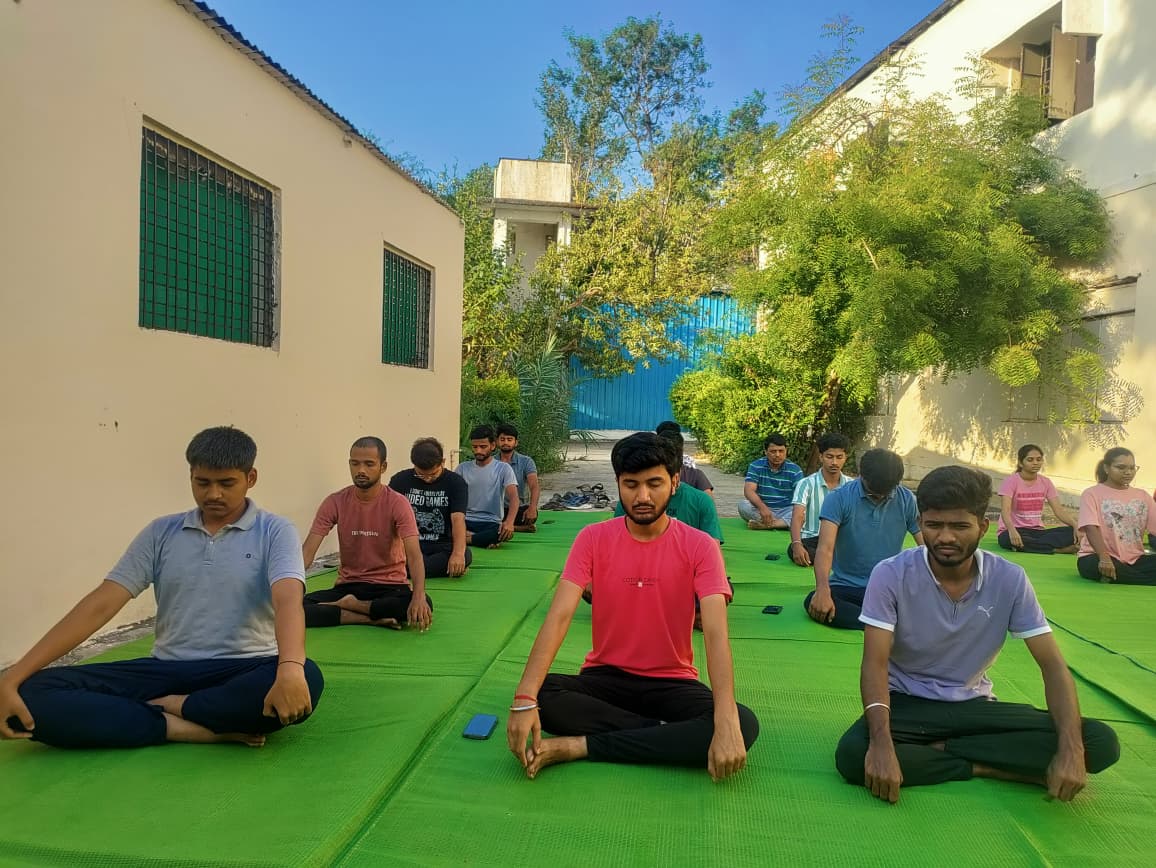
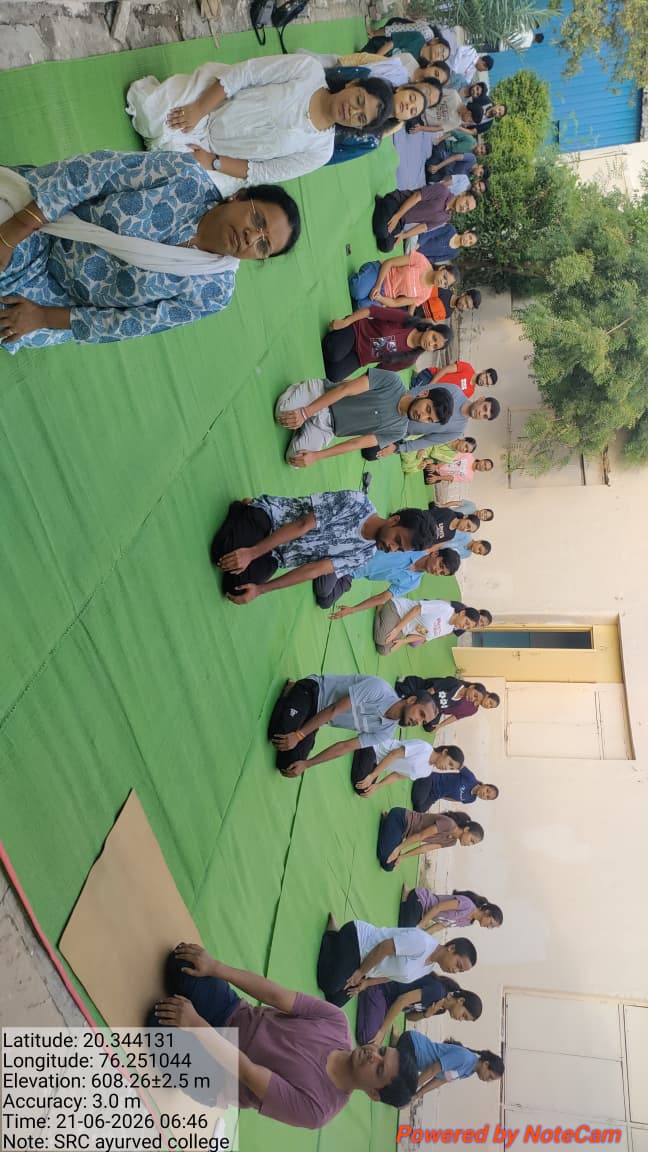
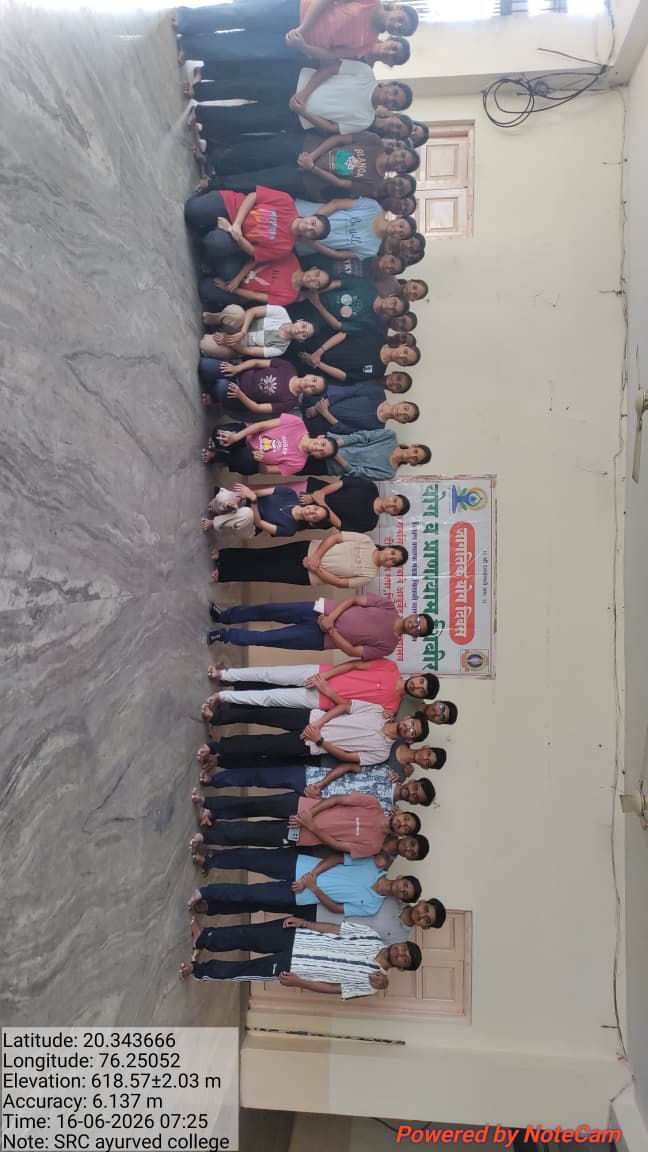
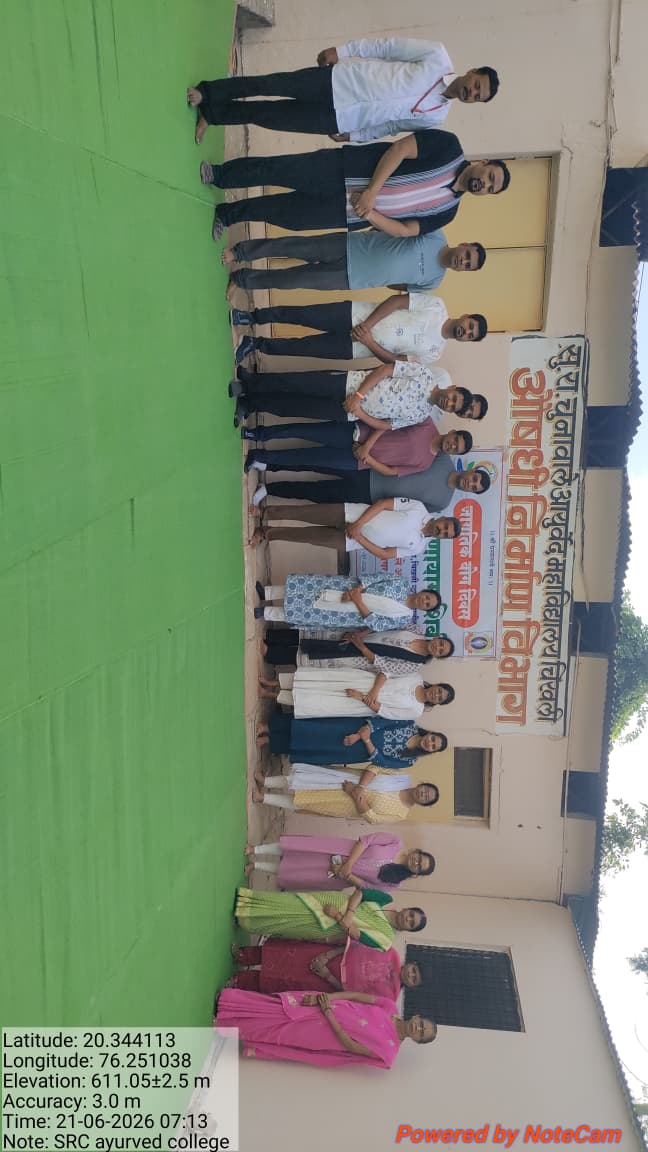
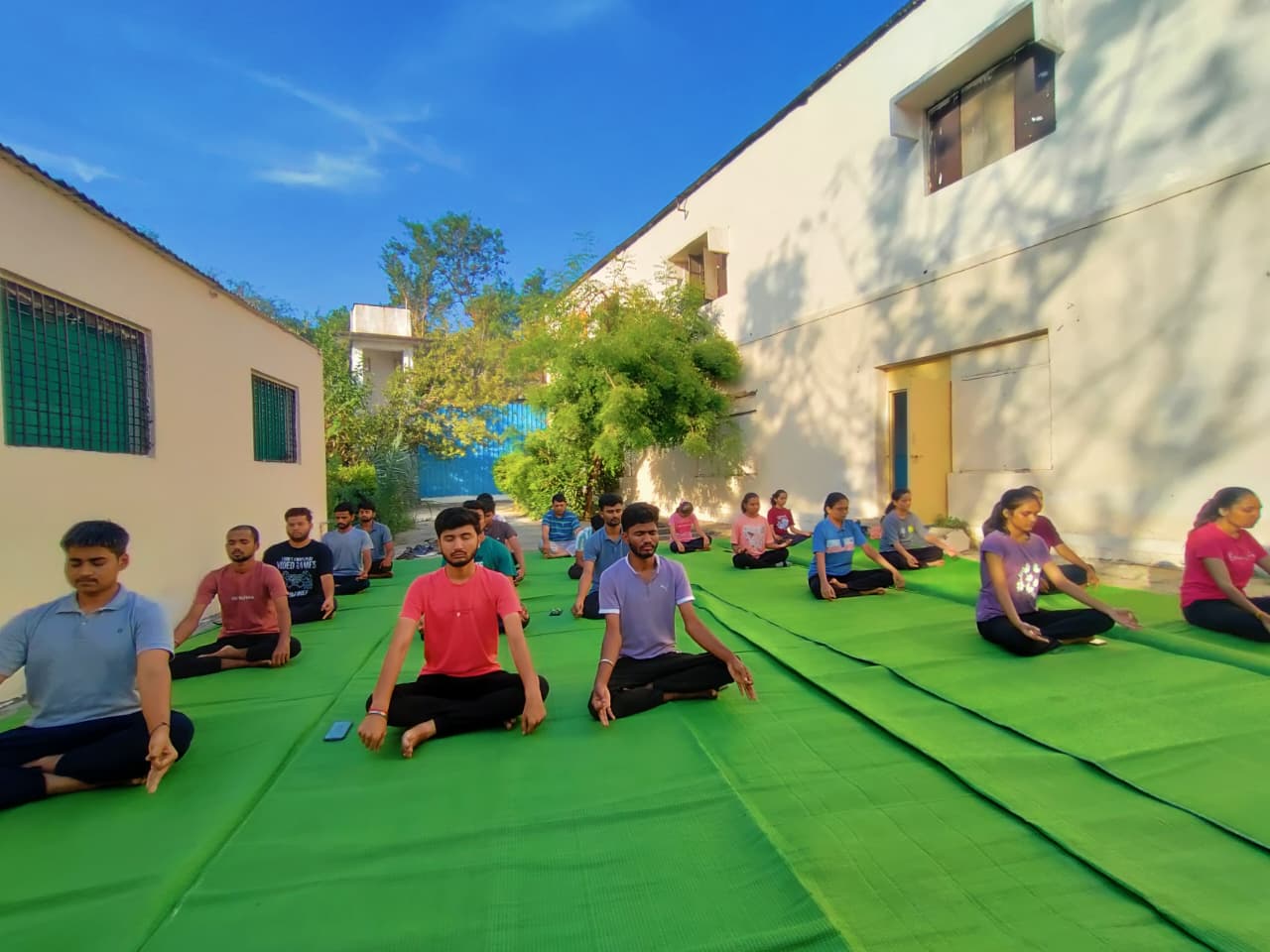
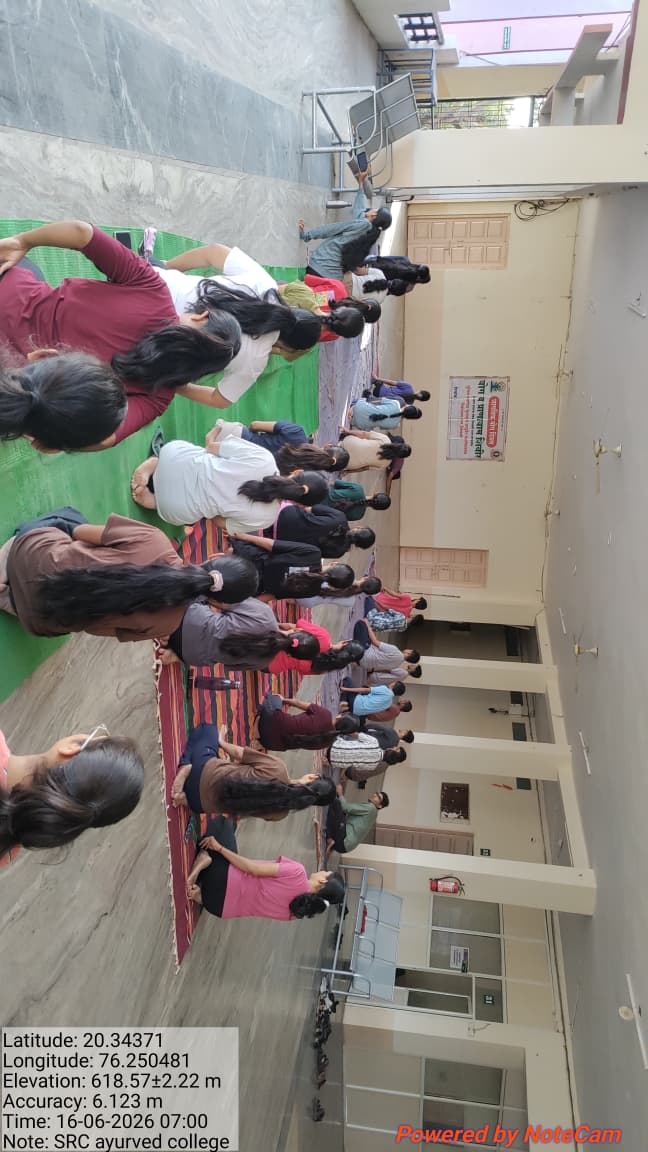
Yoga Day Celebration & Training Gallery
Department of Agad Tantra & Vidhi
Introduction
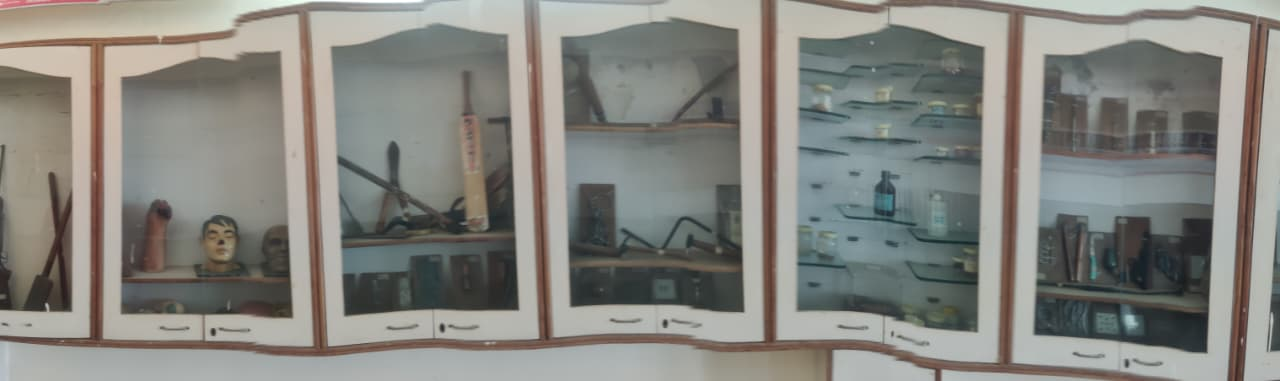
This department is related to the subject of Toxicology and Forensic Medicine. It is a spacious department with a very good museum of poisonous specimens & their antidotes and also weapons, charts and models of Forensic Medicine.
Water pollution & air pollution are biggest confronts today. The toxic effects of the industrial remnants and waste poisonous gases and chemicals, hazardous effects of food additives, colours, essences, preservatives, pesticides & chemical fertilizers and drug-induced toxicity are the new identified challenges. Practice of the various techniques mentioned in Agadtantra, helps to give us relief in these contexts. Vidhivaidyak (Forensic Medicine) too, plays a vital role in guarding the safety of each individual in the community. It also ensures that any accused person is not unjustly condemned. It also deals with legal aspects of medical practice that play a vital role in this age when the CPA act is well-accepted.
Academic Events & Workshops
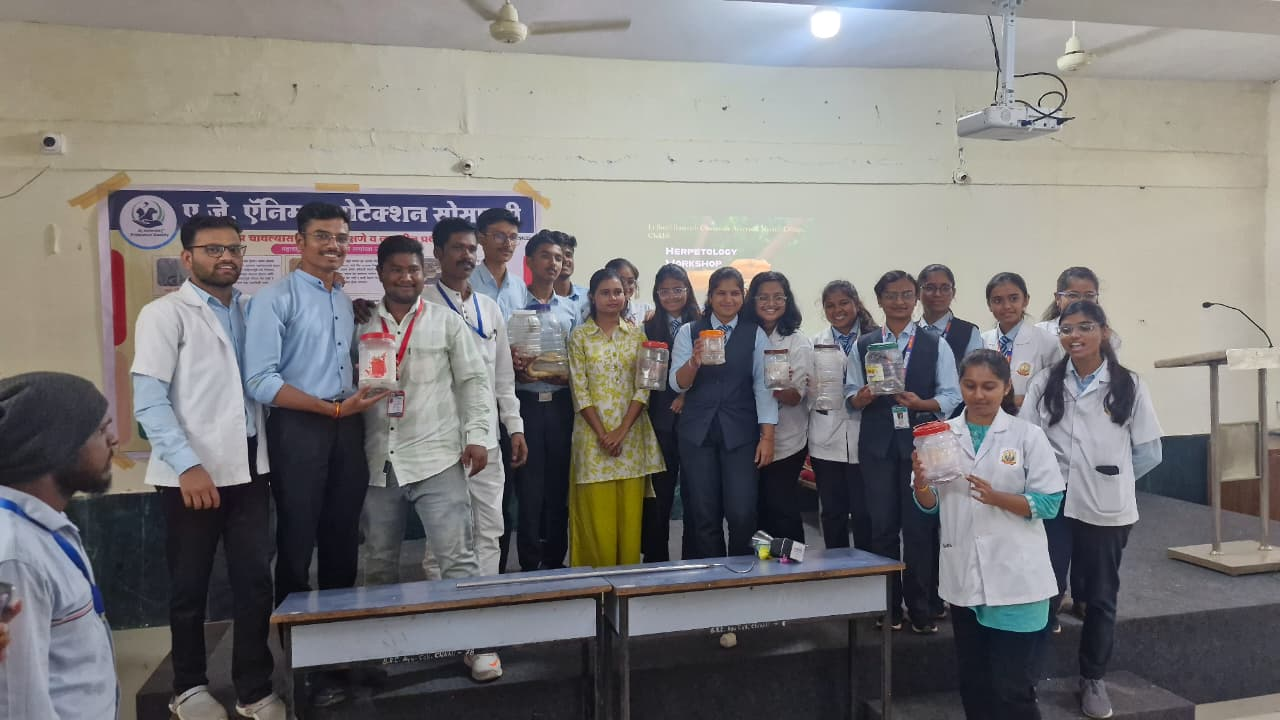
- Herpetology Workshop 2025: A Herpetology Workshop was organized for students to create awareness about snakes and their importance in the ecosystem. During the workshop, various poisonous and non-poisonous snake species were displayed and explained by experts. Students learned how to identify different snakes, understand their behaviour, and distinguish between venomous and non-venomous species. Information regarding snakebite prevention, signs and symptoms of snakebite, first-aid measures, and medical treatment was also provided. The workshop was highly informative and helped dispel common myths and misconceptions about snakes.
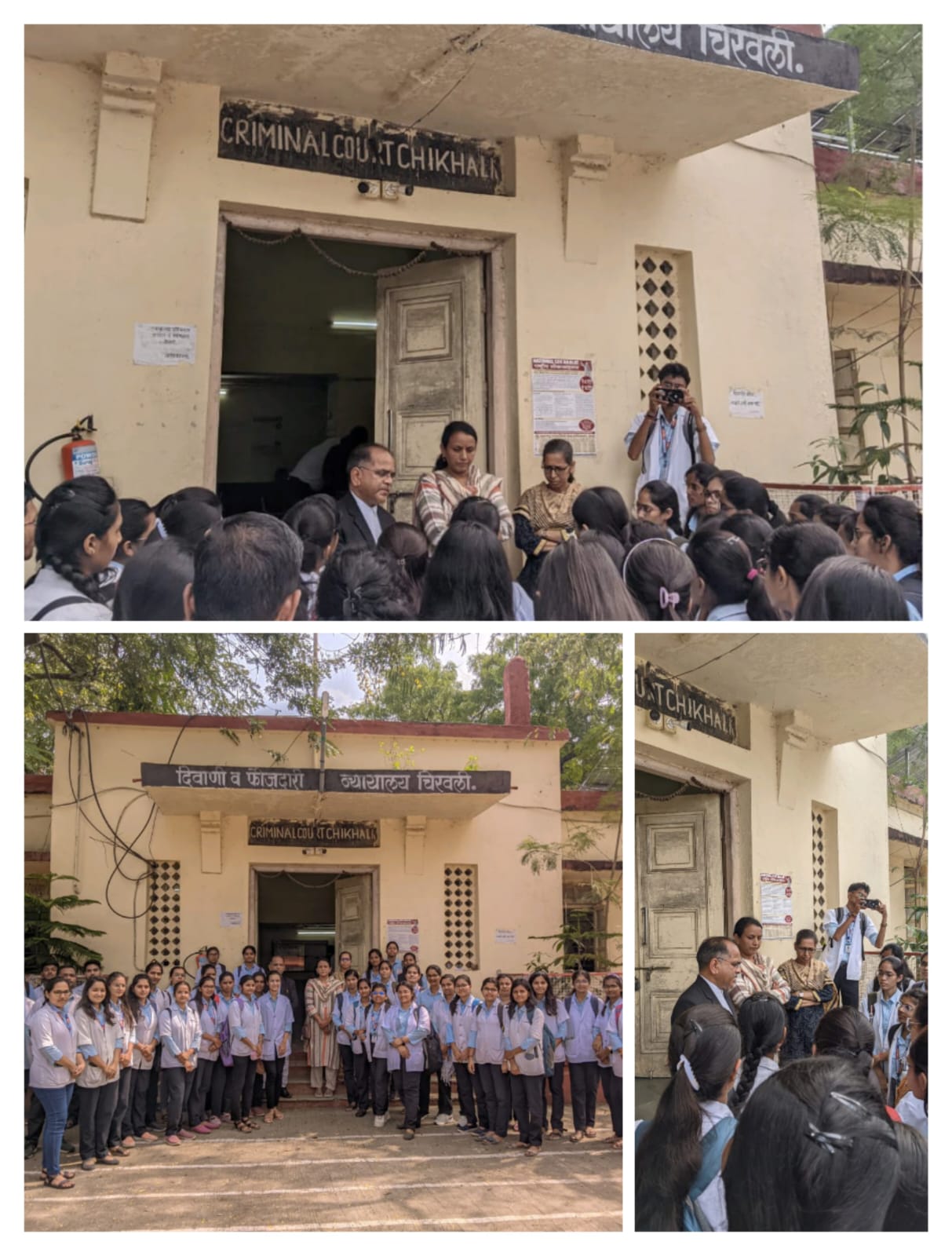
- Court Visit 2024: A court visit was organized for the students to help them understand the judicial system and court procedures. During the visit, students observed the functioning of the court, gained insight into legal proceedings, and learned about the roles and responsibilities of judges, lawyers, and court staff. The visit provided valuable practical exposure and enhanced their understanding of the medico-legal processes.
Core Faculty
| Sr. No. | Name | Qualification | Designation |
|---|---|---|---|
| 01 | Dr. Rajesh T. Muley | M.D. (Ay) | Professor |
| 02 | Vd. Shradha S. Deshmukh | M.D. (Ay) | Assistant Professor |
Department Gallery

Department of Prasuti Tantra & Stri Roga
Introduction
The Department of Prasuti Tantra and Stree Roga is a vital branch of Ayurvedic education and clinical practice, focusing on women's health and well-being through all stages of life. This department deals with two major disciplines:
- Prasuti Tantra: The science of pregnancy, childbirth (obstetrics), and postpartum care.
- Stree Roga: The study and management of gynecological disorders.
At our Ayurved Mahavidyalaya & Rugnalaya, the department is committed to blending classical Ayurvedic wisdom with modern diagnostic techniques to ensure holistic care for women. Students receive comprehensive theoretical and clinical training in areas such as: Antenatal and postnatal care, menstrual disorders, infertility and reproductive health, menopausal care, and common gynecological conditions.
The department also conducts deliveries, minor gynecological procedures, and panchakarma therapies for women. Our well-equipped OPD and IPD, Minor OT and Major OT along with well-equipped labor rooms and specialized treatment sections, provide quality patient care and hands-on experience for students. Through regular academic activities, research, and community outreach programs, the department aims to preserve and promote the time-tested Ayurvedic principles in women’s healthcare.
Department Vision
To create a platform for teaching, diagnosing and research activity in order to cater the needs of today's changing world and to develop awareness in special Ayurvedic treatment in Stree Roga Prasuti Tantra and Garbha Sanskar and role of Yoga in Prasuti Tantra and Stree Roga.
Department Mission
- To produce doctors with sound knowledge, skills & the right attitudes towards the medical profession.
- To provide good researchers to society.
- To provide good doctors to serve the society related to health services.
Course Outcomes (CO)
| CO No. | Course Learning Outcomes (AyUG-PS) | Matched PO |
|---|---|---|
| CO1 | Explain anatomy, physiology, neuro-endocrinology of reproduction and implement Garbhini Paricharya (Antenatal care), Garbha Samskara to achieve Shreyasi Praja (healthy progeny) and minimize maternal morbidity and mortality. | PO1, PO4, PO5 |
| CO2 | Explain Puberty, Adolescence and Menopause. Diagnose gynecological disorders (Yonivyapad), menstrual disorders (Artava vyapad), infertility (Vandhyatva), and StanaRoga with integration of Ayurveda principles and scientific advances for holistic management. | PO1, PO3 |
| CO3 | Perform Sthanika upakrama (in-situ treatment), Panchakarma and surgical procedures and implement drug interventions ethically ensuring patient safety. | PO2, PO4, PO5 |
| CO4 | Perform normal labor, anticipate obstetric emergencies and ensure timely referral. Manage normal and abnormal puerperium. Postpartum counseling on contraceptives. | PO2, PO3, PO6 |
| CO5 | Participate in National maternal health programs and comprehend the medico-legal aspects related to Prasuti tantra and Stree Roga including the MTP Act and PC-PNDT Act. | PO6, PO7 |
| CO6 | Demonstrate professional ethics, communication skills with compassionate attitude, engage in clinical research embracing the principles of lifelong learning and professional development. | PO6, PO8, PO9 |
Future Plan
- Clinical Excellence: Expansion of OPD/IPD; establishment of a Specialty Women's Clinic for managing infertility, PCOS, and menstrual issues; advanced Panchakarma protocols for women.
- Academic & Research: Conducting workshops, webinars, and CMEs; clinical research on infertility, endometriosis, postpartum rejuvenation, and lactational insufficiency.
- Community & Infrastructure: Rural women's health camps; upgrading labor room with modern monitoring and Ayurvedic birthing support; setting up a "Garbhini Paricharya Unit" and a department museum.
HOD Message
"We are committed to the holistic education and training of future Ayurvedic practitioners in women's health, blending classical Ayurvedic wisdom with modern clinical practices. Our focus is on empowering students with knowledge and skills to provide compassionate and effective care in gynecology and obstetrics."
Vd. P. M. Purohit — HOD & Professor
Core Faculty
| Sr. No. | Name | Qualification | Designation |
|---|---|---|---|
| 01 | Vd. Piyush Purohit | BAMS, MS Prasuti Tantra | Professor & HOD |
| 02 | Vd. Dhanshri Zadbuke | BAMS, MS Prasuti Tantra | Associate Professor |
| 03 | Vd. Manisha Sambapure | BAMS, MS Prasuti Tantra | Associate Professor |
Department Gallery
Department of Kaumarbhritya (Pediatrics)
Introduction
Kaumarbhritya Dept. is one of the important departments for the BAMS course. Students get knowledge about pediatric health & diseases through clinics, lectures & tutorial classes. Up till now, many health checkup camps have been organized by our department in the college hospital & nearby villages. The department also conducts medical checkup camps in various schools. We take care of mentally retarded children of nearby schools for mentally handicapped children. We have a pediatric O.P.D & pediatric wards for indoor patients. We have experienced staff in our department to guide & teach students. Our department is fully fledged with all necessary instruments & a departmental library.
Department Vision
To be an important department in Kaumarbhritya area to learn Ayurveda concepts, diagnosis and treatment and to make student competent and skillful in health professional and research.
Department Mission
To establish the department as a higher center in Intensive care unit and vaccination providing with all facilities to develop pediatric chronic, metabolic and genetic disease and treatment in the light of Ayurveda.
Future Plan
Short Term: To conduct Bridge courses, ROTP through the Department; to develop a special growth and development clinic; to develop a dedicated play area for children.
Long Term: Early diagnosis of abnormal newborn & neurologically handicapped babies & early management of physical & mental health; expansion of NICU unit in 2025-26; to start an immunization center in 2026-27.
Course Outcomes (CO)
- Student gets proper knowledge, basic concepts, terminology, and principles of Pediatrics regarding age group, growth & development, vaccination, and various diseases & treatment.
- Technical capabilities & skill development in procedures of resuscitation, vaccination, various processes in Panchakarma, drug preparation & administration in pediatric age groups.
- Use of various Rasayana-Dravya for improvement of immunity.
- Specific newborn and premature baby examinations and management.
- Specific neurological examination in pediatric patients.
HOD Message
"Kaumarbhritya is one among the eight branches of Ayurveda, which includes the health care of the pediatric community since conception to 16 years as nearly 50% population comes below 18 years, showing the significance & practical utility of this branch. There is a wide scope for Ayurveda in pediatric practice such as to increase immunity of child, to provide best mental health care, excellent supportive management of malnutrition & management of allergic disorders such as respiratory allergic disorders. This branch has various specialties for newborn & growing children, dietary & behavioral guidelines, maintaining the healthy status of a child & all-round development from diagnostic & the treatment point of view. Children are delicate & this branch helps from every point of view for the same."
Dr. Rohit R. Bhala — HOD & Associate Professor
Core Faculty
| Sr. No. | Name | Qualification | Designation |
|---|---|---|---|
| 01 | Dr. Rohit R. Bhala | BAMS, MD | HOD & Asso. Professor |
| 02 | Dr. Payal V. Shende | BAMS, MD | Assistant Professor |
| 03 | Dr. Manisha M. Tathe | BAMS, MD | Assistant Professor |
Department Gallery
Department of Kayachikitsa
Introduction
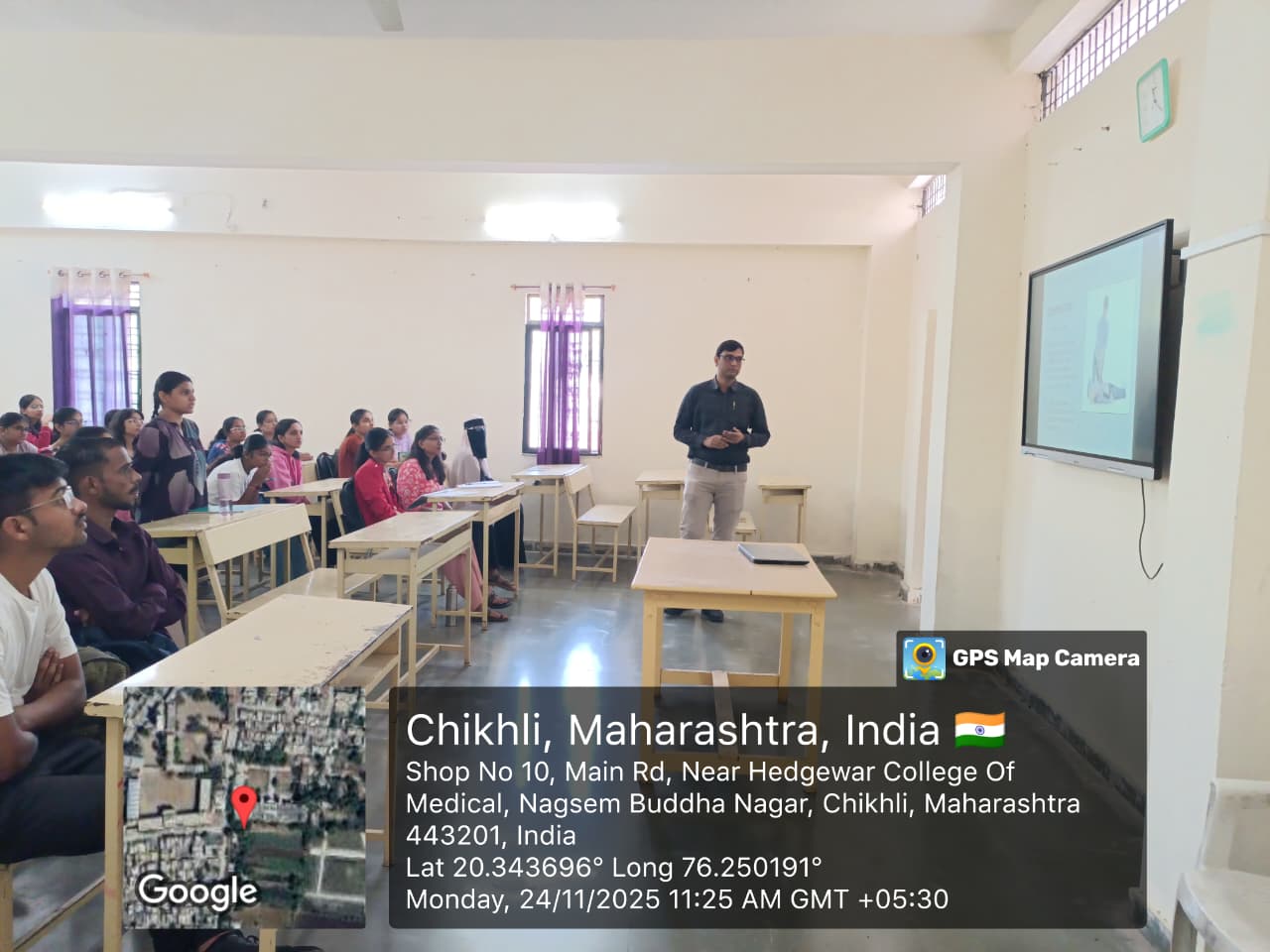
Department of Kayachikitsa was established in 2000. The main emphasize is given on providing proficiency required to play the role of efficient physician and to transform them into a responsible citizen of India. The department has all recommended modern equipment, facilities, infrastructure and aids that are required for teaching and learning.
Dr. Pravin S. Tiwari leads the department as Professor and H.O.D. Associat Prof. Dr. Jaju plays vital role in various departmental activities. Dr. Jawad Working as assistant Professor is activety developing dept.. All faculties in the department are qualified, well experienced and approved by Maharashtra University of Health Science (MUHS), Nashik. Our department runs five and half year 'Bachelor of Ayurved Medicine & Surgery' Degree course.
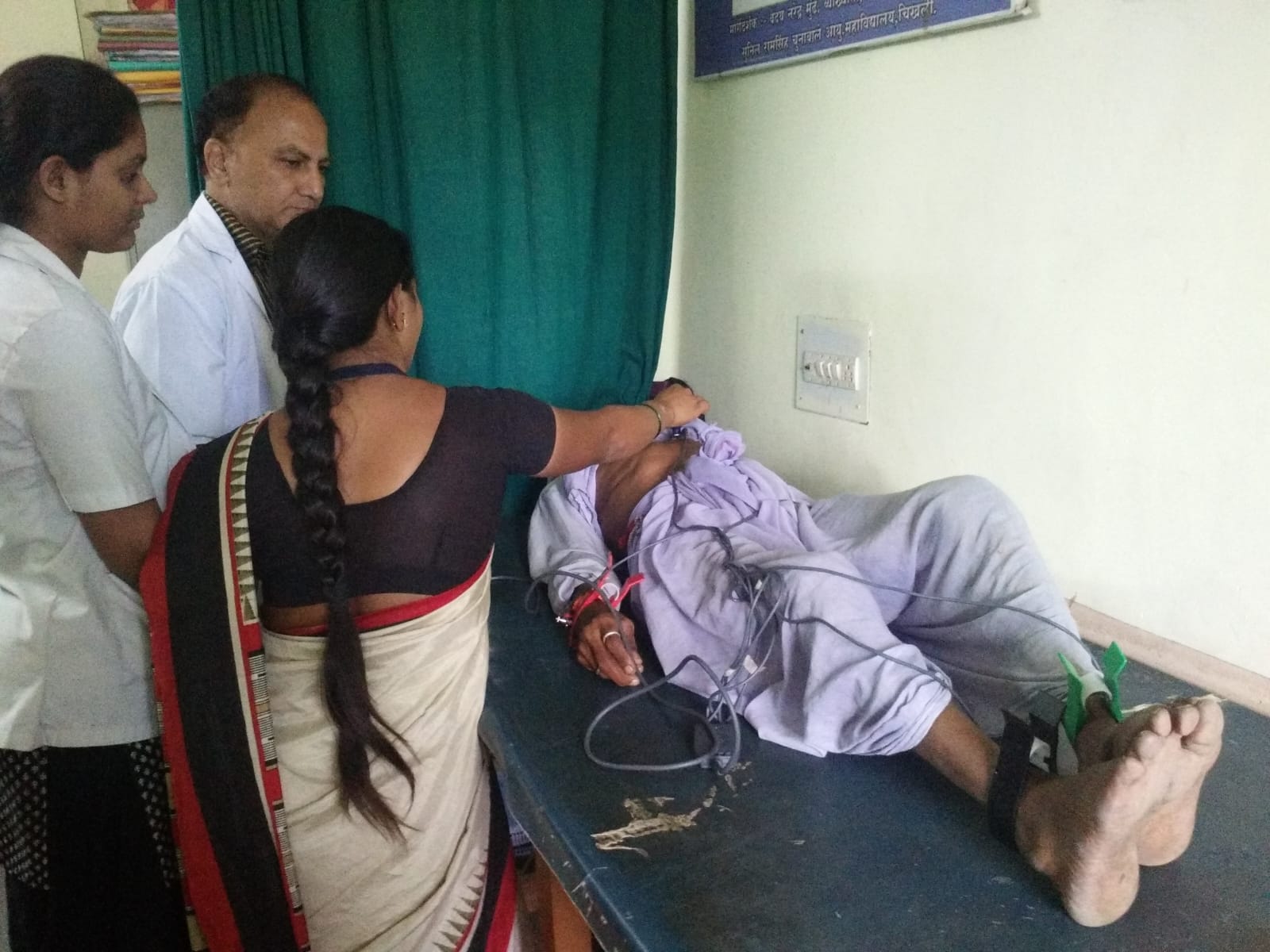
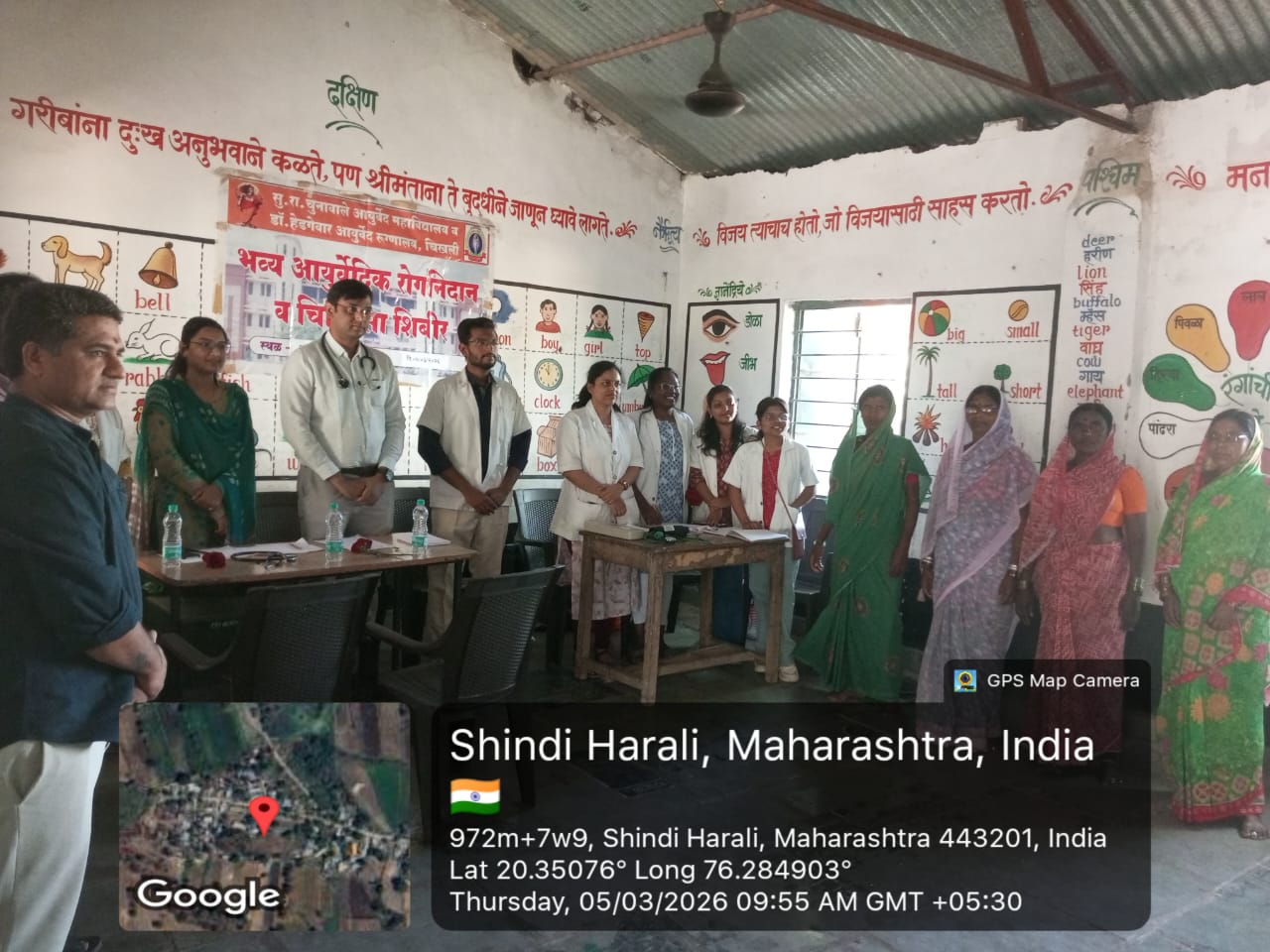
We at our department have a major role to play in clinical practice as physician. Apart from daily OPD & IPD we are regularly engaged in conducting free health checkup & treatment camps in and around Chikhali, Rohada, Reular camps are arranged in this village. Dr. Pravin s. Tiwari HOD has worked as C.O, LIC Member, Practical Examinar, Paper setter etc. Our eminent faculty members hold key posts in university exams, staff selection committees etc University of Health Sciences in Nashik.
Department Vision
"To Promote the principles of Kayachikitsa globally, empowering individuals to take charge of their health & well-being, and to establish Kayachikitsa as a premier branch of Ayurveda."
Department Mission
- To provide comprehensive and compassionate healthcare services, addressing the unique needs of each individual.
- To conduct research and development in Kayachikitsa, advancing the understanding and application of this ancient medical tradition.
- To promote healthy lifestyles and preventive healthcare through community outreach and education programs.
- To establish Kayachikitsa as a recognized and respected system of medicine globally by improving health and well-being of everyone through Ayurvedic concepts, intra-pathy research, and innovative educational programs in Ayurvedic science.
Course Outcomes (CO)
After completion of the Fourth Professional Level of the BAMS course, the student will be able to:
- Work as a responsible Family Physician.
- Serve in State and Central Government Health Services.
- Pursue post-graduate studies and contribute in the field of research.
- Create health awareness in people for prevention of various communicable and non-communicable diseases.
- Contribute to the National Health Mission by active participation.
- Work with various government and non-government organizations for promotion of Ayurveda.
- Work and perform effectively as a Counselor for government and non-government bodies to deal with various health issues.
- Contribute to the field of Ayurveda by virtue of research-focused activities.
- Raise awareness among people to plant medicinal plants.
Future Plan
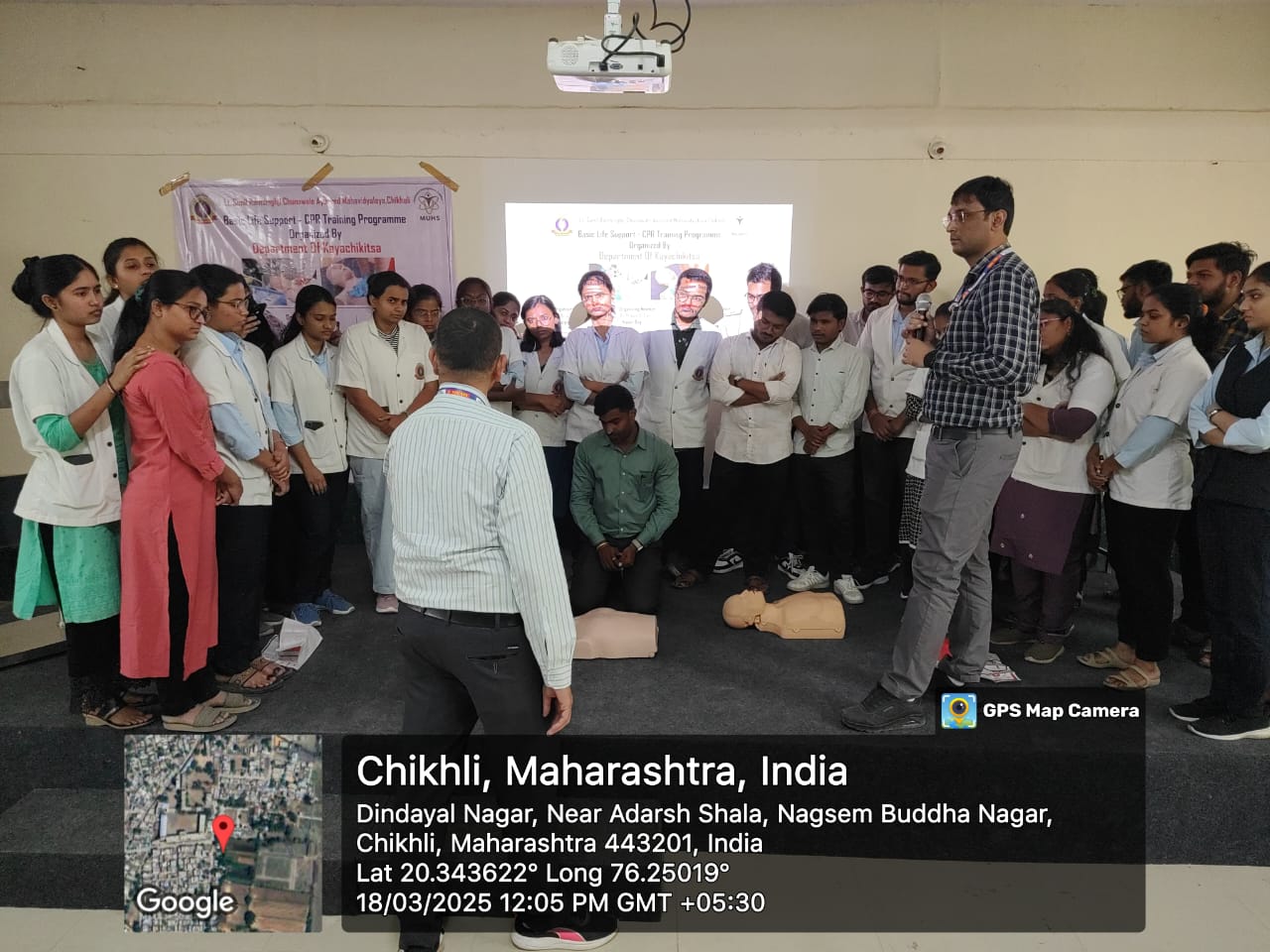
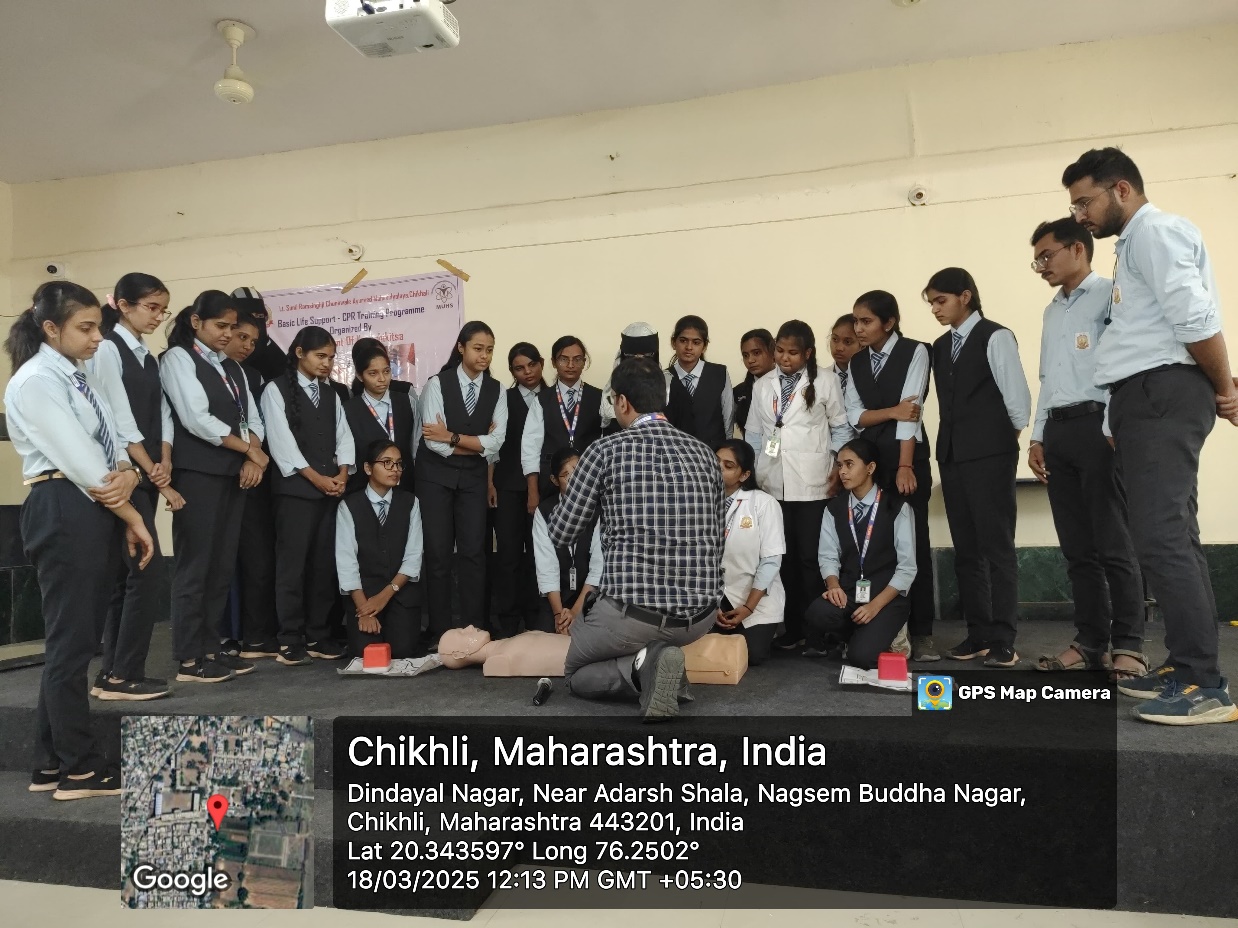
- To start Basic Life Support (BLS) and Advanced Cardiac Life Support (ACLS) programmes.
- To organize a national-level conference on lifestyle disorders from the perspective of Kayachikitsa.
- To start Post Graduate Diploma courses in various specialties in Kayachikitsa.
- To publish a National Research Journal based on research in Kayachikitsa.
- To establish a competent cell to guide students on various competitive exams for PG courses.
- To develop and propagate a special diet and lifestyle regime for patients of various diseases.
- To give guidance to society about Ayurvedic treatment and its effectiveness.
Core Faculty
| Sr. No. | Name | Qualification | Designation | Experience |
|---|---|---|---|---|
| 01 | Dr. Pravin S. Tiwari | BAMS, MD | Professor & HOD | 26+ Years |
| 02 | Dr. Suryakant Jaju | BAMS, MD | Associate Professor | 07+ Years |
| 03 | Dr. M. Jawwad Ali Khan | BAMS, MD | Assistant Professor | 04+ Years |
Department Gallery
Department of Panchakarma
Introduction
The Department of Panchakarma is a specialized branch of Ayurveda dedicated to teaching, research, and clinical practice of the five purification therapies—Vamana, Virechana, Basti, Nasya, and Raktamokshana. It serves as a hub of holistic healthcare, combining preventive, curative, and rejuvenative approaches.
Growth and Facilities
Over the years, the department has grown into a well-established unit with modern Panchakarma theatres, separate male and female therapy sections, specialized rooms for procedures, trained therapists, and demonstration halls for teaching. Digital records, research documentation, and patient-friendly facilities ensure quality care and academic excellence.
Academic and Clinical Focus
Academically, the department trains undergraduate students through lectures, demonstrations, and clinical postings with a focus on hands-on skills and evidence-based learning. Clinically, it manages musculoskeletal, neurological, metabolic, dermatological, and lifestyle disorders, while also offering preventive and rejuvenative therapies.
Academic and Research Activities
The department organizes lectures and workshops while also promoting active student participation in conferences. Research initiatives include clinical trials, SOP development, dissertation work, and collaborative projects aimed at scientific validation and global acceptance of Panchakarma therapies.
Department Vision
"Swasthasya Swasthya Rakshanam! Aturasya Vikar Prashamanam Cha!!"
- To impart quality education in the field of Panchakarma to students and doctors.
- Application of scientific treatment modalities in clinical practice and thereby serving the society by curing diseases.
Department Mission
- To create awareness of Panchakarma in society.
- To prevent & eliminate diseases through Panchakarma.
- To make Panchakarma globalized.
- To make good researchers & doctors for serving the society.
Program Outcome
At the end of the BAMS programme, the students will be able to:
| PO No. | Programme Learning Outcome |
|---|---|
| PO1 | Demonstrate comprehensive knowledge and application of the Trisutra concept to explore root causes, identify clinical manifestations of disease to treat ailments and maintain healthy status. |
| PO2 | Demonstrate knowledge and skills in Ayurveda, acquired through integration of multidisciplinary perspectives and keen observation of clinical and practical experiences. |
| PO3 | Demonstrate proficiency in holistic, unique assessment of an individual for rational approach and decision-making in management of disease and maintenance of health. |
| PO4 | Perform procedures and therapeutic manoeuvres with skill and dexterity in a variety of situations. |
| PO5 | Demonstrate knowledge, skills and attitudes to provide holistic quality care and preparedness to practice. |
| PO6 | Demonstrate agility, virtuous and ethical behaviour and compassion to improve the wellbeing of individuals and society. |
| PO7 | Demonstrate self-directedness in pursuit of knowledge and skills, which is required for advancing health care and wellbeing of society. |
| PO8 | Demonstrate the ability to effectively communicate with patients, families, community and peers. |
| PO9 | Demonstrate an understanding of qualities and required skills as a practitioner, researcher and academician and an aspiration to become one. |
Course Outcomes (CO)
| CO No. | Course Learning Outcomes (AyUG-PK) | Matched PO |
|---|---|---|
| CO1 | Describe the fundamental concepts of Panchakarma. | PO1 |
| CO2 | Identify and describe drugs, dose, instruments, and their method of application in Panchakarma procedures. | PO3 |
| CO3 | Analyze the clinical applications of each procedure based on fundamental principles. | PO2 |
| CO4 | Illustrate comprehensive knowledge of Panchakarma procedures with appropriate and sequential Purva Karma, Pradhana Karma, and Paschat Karma. | PO2 |
| CO5 | Demonstrate skills in performing procedures in various situations. | PO4, PO5 |
| CO6 | Assess the therapeutic efficiency and manage complications. | PO2, PO7 |
| CO7 | Utilize technological advancements and allied therapeutic interventions. | PO2, PO7 |
| CO8 | Possess qualities of a good communicator and ethical clinician & researcher. | PO6, PO7, PO8, PO9 |
Future Plan
- To arrange international and national seminars on various topics of Panchakarma.
- FDC program for Panchakarma teachers.
HOD Message
Dr. N. N. Wagh - HOD
"We are delighted to connect with you through the Department of Panchakarma, which is dedicated to promoting the holistic healing traditions of Ayurveda and advancing its relevance in the modern world. For BAMS student training, it now operates in a well-equipped building. We offer Undergraduate (BAMS) training. Our department features a dedicated OPD/IPD, separate male and female Panchakarma theatres, and well-maintained wards in a charitable hospital affiliated with the college. We conduct regular Panchakarma Shibirs. With a strong foundation in education, research, and clinical service, we strive to shape skilled and compassionate Ayurvedic professionals. Together, let us work towards a golden future in Ayurveda."
Special Panchakarma Unit
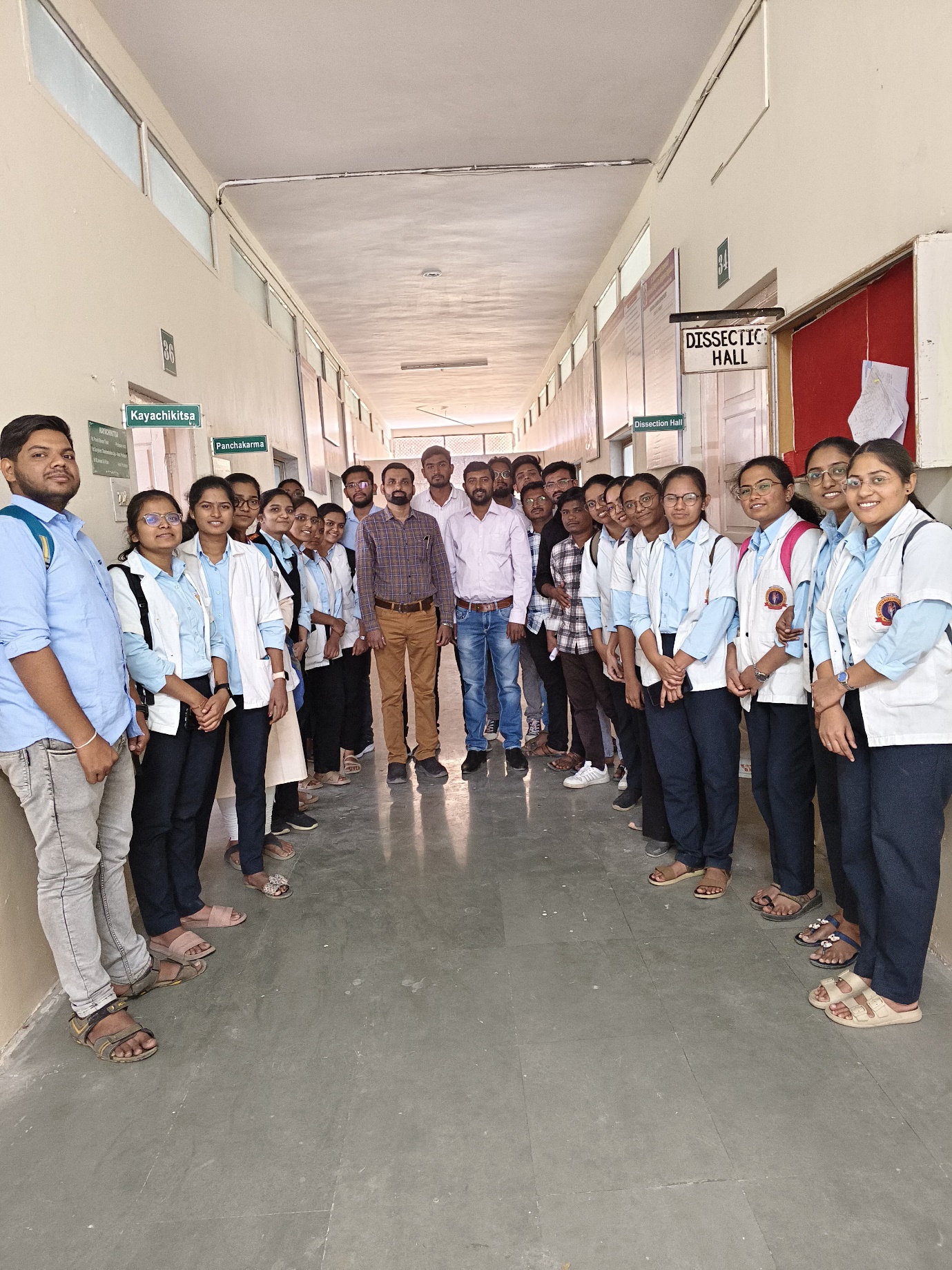
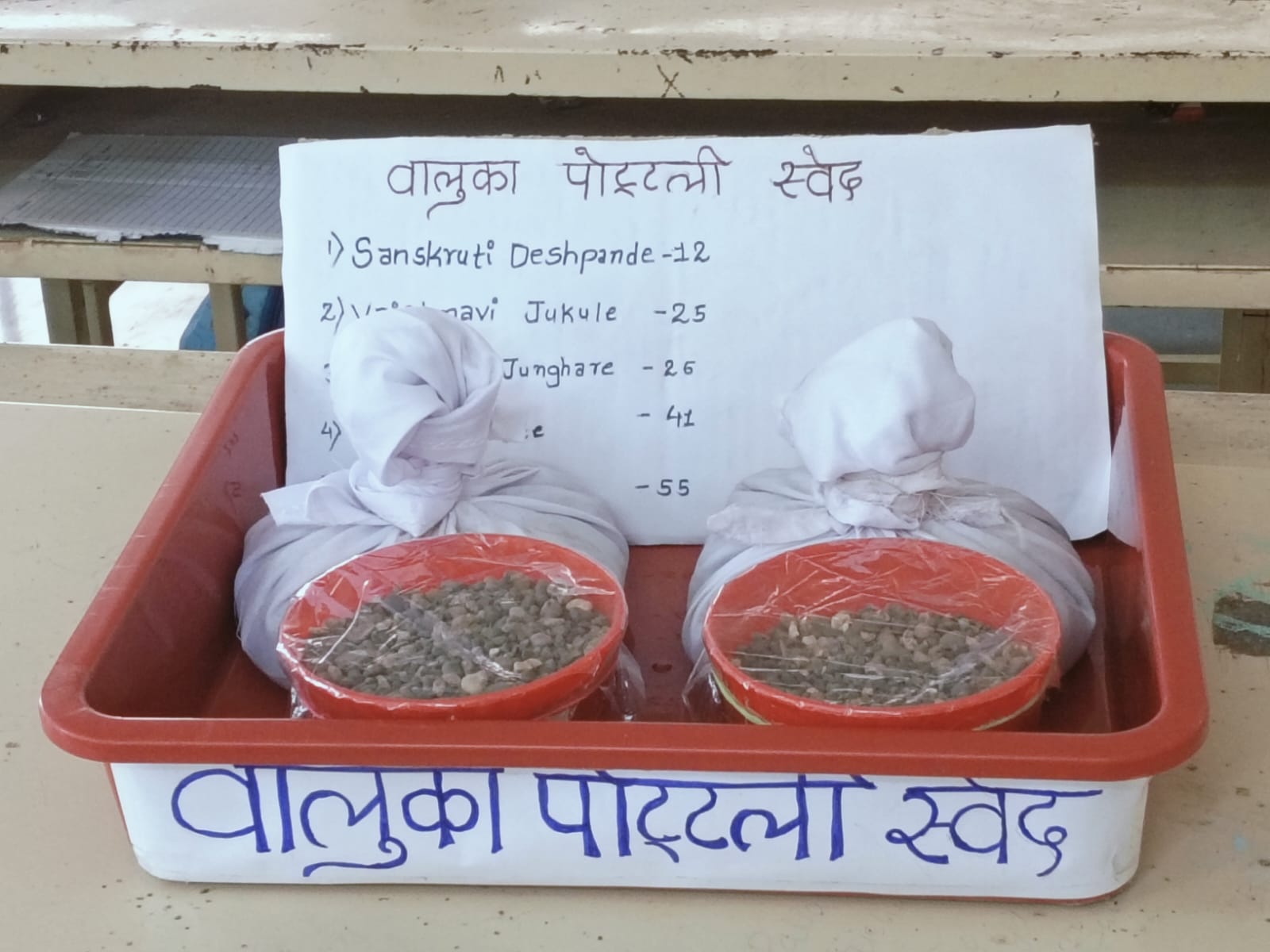
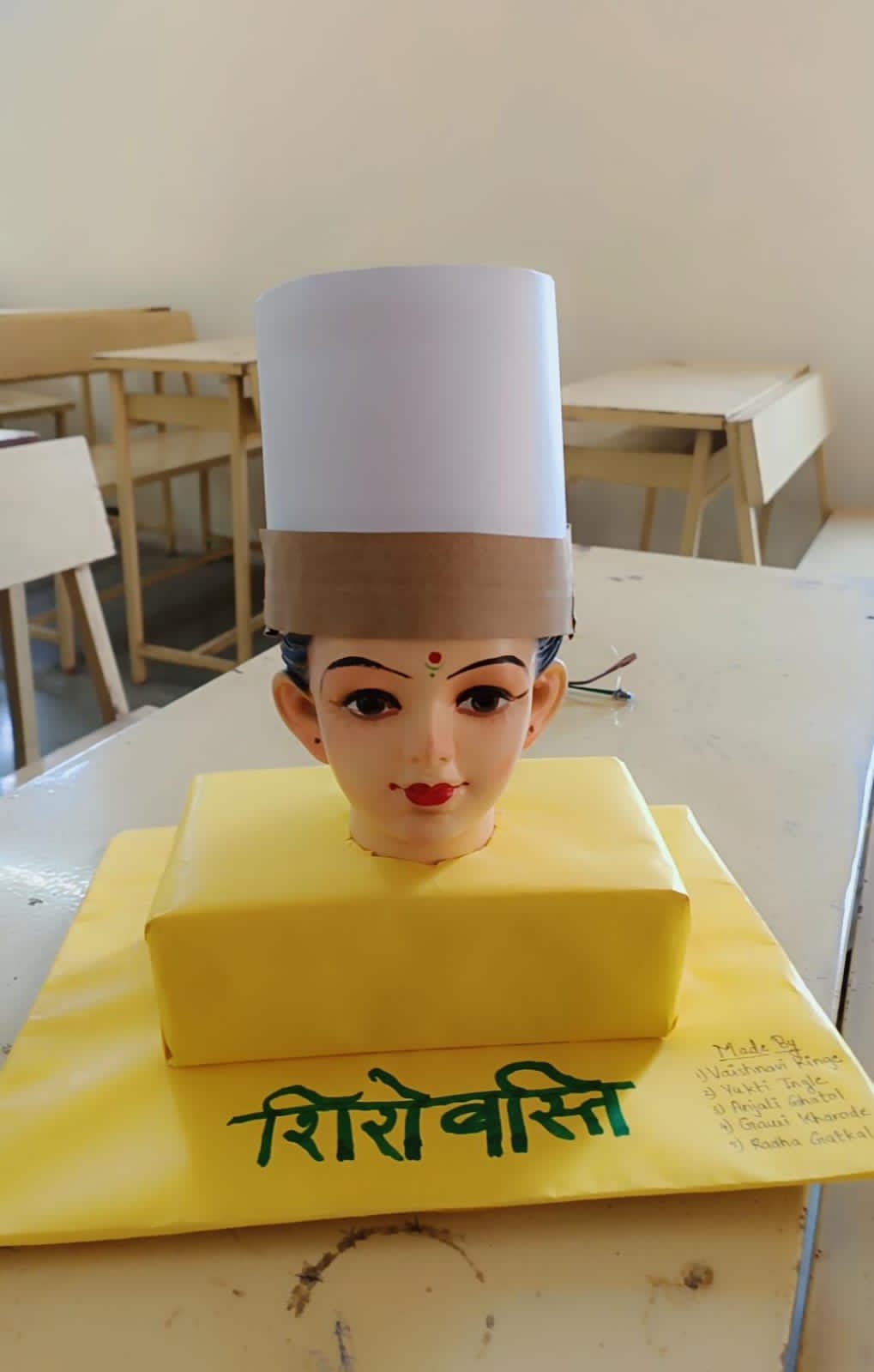
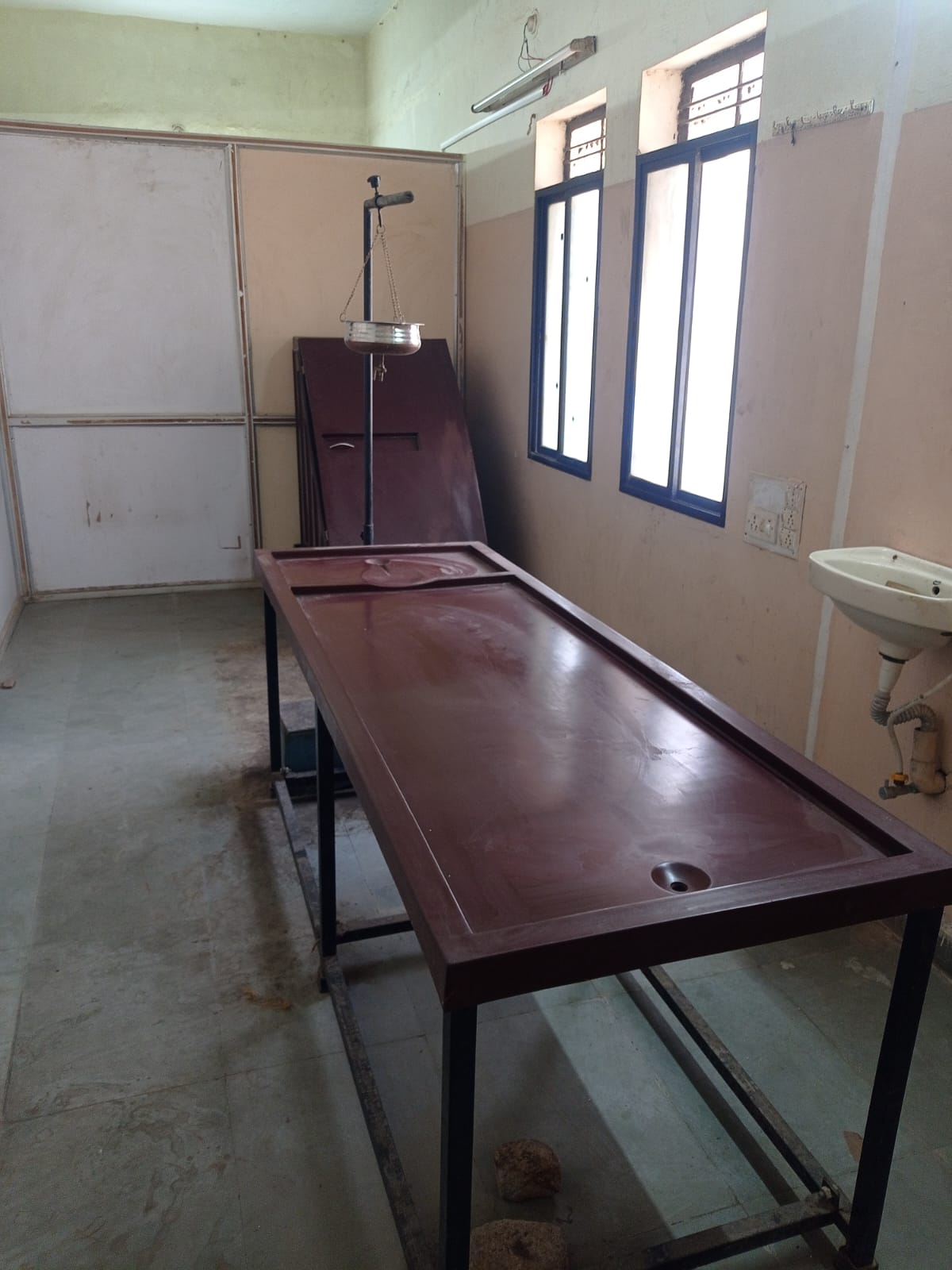
Ayurveda is a life science which teaches us about the knowledge of life, among which Panchakarma is considered to be its backbone. It is mainly concerned with five bio-purificatory treatment modalities. We work on the principle of “Swasthasya Swasthya Rakshanam Aturasya Vikar Prashamanam”. Under the guidance of our supporting administration and hon. principal, we have set up a well-equipped and smooth-functioning Special Panchakarma Unit within our campus to spread the benefits of Ayurveda to patients and to nurture our future Ayurvedic generation.
Our Special Panchakarma Unit is blessed to have well-equipped instruments like Basti yantra, shirodhara yantra, droni, avagaha yantra, and swedan yantra. We are also equipped with instruments for doing para-surgical procedures like raktamokshana and agnikarma. Well-trained staff perform all the panchakarma procedures under the guidance of consultants who have procured their specialty from renowned institutes. We adhere to the classical ways of performing karma, supported by both daily OPD and IPD facilities.
Routine treatment modalities performed on a day-to-day basis:
- Snehan & Swedan
- Katibasti, Janubasti, and Manyabasti
- Raktamokshan
- Shirodhara
Faculty Details
| Sr. No. | Name | Qualification | Designation |
|---|---|---|---|
| 01 | Dr. N. N. Wagh | M.D. Panchakarma | HOD & Professor |
| 02 | Dr. P. V. Magar | M.D. Panchakarma | Assistant Professor |
| 03 | Dr. G. P. Deokar | M.D. Panchakarma | Assistant Professor |
Department Gallery
Department of Shalya Tantra
Introduction
The Department of Shalya Tantra is a vital branch of Ayurveda dedicated to the study and practice of surgical principles as described in classical Ayurvedic texts. Rooted in the ancient wisdom of Acharya Sushruta, known as the “Father of Surgery,” Shalya Tantra encompasses a comprehensive approach to the management of surgical disorders using both traditional and modern techniques.
Our department focuses on the diagnosis and treatment of conditions requiring surgical intervention, including anorectal disorders, wounds, abscesses, fistula, piles, and other related ailments. Special emphasis is placed on the renowned Ksharasutra therapy, a minimally invasive para-surgical procedure that has proven highly effective in managing conditions like fistula-in-ano and hemorrhoids.
The department is equipped with well-established operation theatres, advanced diagnostic tools, and dedicated inpatient and outpatient facilities. Students receive extensive hands-on training under the guidance of experienced faculty, integrating classical Ayurvedic knowledge with contemporary surgical practices. In addition to clinical services, the department is actively involved in research and academic activities, aiming to promote evidence-based Ayurveda and improve patient care standards. Regular workshops, seminars, and camps are conducted to enhance practical skills and community outreach.
Department Vision
To become a center of excellence in Ayurvedic surgery by preserving and advancing the principles of Shalya Tantra, integrating classical knowledge with modern surgical practices, and delivering high-quality, ethical, and patient-centered healthcare.
The department envisions producing skilled Ayurvedic surgeons with strong clinical expertise, research orientation, and a commitment to serving society through safe, effective, and evidence-based surgical care.
Department Mission
- To provide comprehensive education and training in Shalya Tantra by integrating classical Ayurvedic surgical knowledge with modern techniques.
- To deliver safe, effective, and affordable surgical care through Ayurvedic and para-surgical procedures such as Ksharasutra.
- To develop competent and compassionate Ayurvedic surgeons with strong ethical values and clinical skills.
- To promote research and innovation in Ayurvedic surgery for evidence-based practice and improved patient outcomes.
- To conduct community outreach programs, health camps, and awareness activities for the prevention and management of surgical disorders.
- To continuously upgrade infrastructure, skills, and knowledge in accordance with advancements in healthcare.
Core Faculty
| Sr. No. | Name | Qualification | Designation |
|---|---|---|---|
| 01 | Dr. VISHNU GIRI | B.A.M.S., M. S | HOD & Associate Professor |
| 02 | Dr. RAHUL KARHADE | B.A.M.S., M. S | Assistant Professor |
| 03 | Dr. RAVI MOREY | B.A.M.S., M. S | Assistant Professor |
Department of Shalakya Tantra (ENT & Ophthalmology)
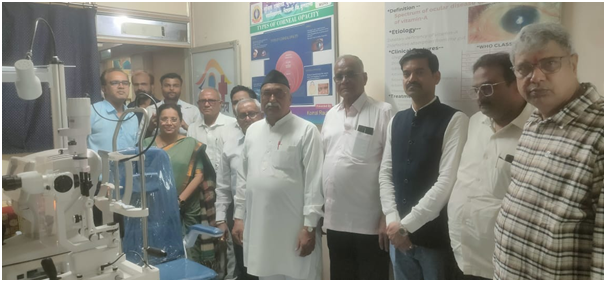
The subject Shalakyatantra deals with the diseases and treatment of Netra (eye), Karna(ear), Nasa(nose), Mukha(oral cavity) and Shira(head).Practical confirmation and assessment of theoretical knowledge is successfully conducted here in OPD and IPD. Nearly all types of major and minor surgical procedures are performed in the department like SICS, DCT, DCR, Squint, Pterygium etc. related to Eye, Ear, Nose and throat. For this, well equipped O.T. with a separate Surgical Microscopes is available. Some specific Ayurvedic procedures like Netratarpan, Nasya, Karnapuran, Raktamokshan are done in association with Panchakarma Dept.
Department Infrastructure
- Eye Examination Lab: Snellen chart boxes, ophthalmoscopes, and slit lamps.
- Kriyakalpa Room: Therapeutic chambers for Tarpana, Anjana, Seka, and Aschotana.
Speciality:
- The dept. conducts special health camps related to ENT disorders, and eye check up camps, spectacles are offered to needy patients at minimum rates.
- An ophthalmic chair unit along with Auto refracto meter and slit Lamp is being used for diagnostic and treating purposeAn audiometer is being used to assess the hearing capacity of patients. These instruments give hand on experience to the students.
Core Faculty
| Faculty Name | Designation | Qualification | Experience |
|---|---|---|---|
| Dr. Pankaj K. Shete | Professor & HOD | BAMS, MS | 14+ Years |
| Dr. Santosh Somatkar | Assistant Professor | BAMS, MS | 05+Years |
| Dr. Sayali Kewat | Assistant Professor | BAMS, MS | 07+Months |